

victus pencil bat stands out as one of the most talked-about bats among serious hitters who want unmatched control without sacrificing power. Players at every level gravitate toward its slim profile, balanced feel, and ability to generate explosive contact with minimal effort. This is not just another bat trend—it reflects a deeper shift in how hitters approach mechanics, bat speed, and barrel control in modern baseball.
From amateur leagues to professional training facilities, the victus pencil bat has carved a reputation for delivering a unique blend of finesse and force. Its design challenges traditional bat shapes, pushing hitters to refine their swing path and improve consistency. If you have ever struggled with timing, barrel accuracy, or swing efficiency, this bat promises a noticeable difference from the very first session.
Table of Contents
ToggleWhy the victus pencil bat feels different from the first swing
The first thing you notice about a victus pencil bat is its incredibly thin handle and tapered barrel. Unlike bulky bats that rely on mass, this design focuses on speed and precision. The slimmer structure allows hitters to whip the bat through the zone faster, creating a smoother and more controlled swing path.
This difference becomes especially noticeable during live pitching or high-velocity training. Instead of feeling weighed down, your hands move freely, and your swing feels more connected from load to contact. That connection often translates into better timing and cleaner hits.
Many hitters report that the bat almost “forces” proper mechanics. Because it lacks excess bulk, it punishes sloppy swings while rewarding clean, efficient motion. Over time, this leads to improved muscle memory and more consistent performance at the plate.
The science behind the pencil bat design
The victus pencil bat is not just about aesthetics—it is rooted in biomechanics and physics. Its thin profile reduces drag, allowing the bat to travel faster through the hitting zone. This increased bat speed directly impacts exit velocity, even if the bat feels lighter.
Another critical factor is the sweet spot distribution. While traditional bats spread mass across a wider barrel, the pencil bat concentrates energy into a smaller hitting zone. This design demands precision but rewards it with explosive contact when you connect cleanly.
The balance point also plays a major role. Most victus pencil bats lean toward a balanced or slightly end-loaded feel, giving hitters the flexibility to generate both control and power. This hybrid balance makes it appealing for contact hitters and power hitters alike.
Who should actually use a victus pencil bat
Not every bat suits every player, and the victus pencil bat is no exception. It works best for hitters who prioritize bat speed, control, and refined mechanics over brute force.
This bat is particularly effective for:
- Contact hitters who rely on precision and timing
- Advanced players looking to sharpen swing mechanics
- Hitters facing high-velocity pitching
- Players transitioning from aluminum to wood bats
Beginners can use it as well, but they may need some adjustment time. The smaller barrel requires better hand-eye coordination, which can feel challenging at first. However, this challenge often accelerates skill development, making it a valuable training tool.
How it improves your swing mechanics without extra coaching
One of the most underrated benefits of the victus pencil bat is how it naturally corrects your swing. You do not need constant coaching feedback because the bat itself provides instant results.
If your swing path is off, you will notice weak contact or complete misses. If your timing is late, the lighter profile makes it obvious. On the other hand, when everything aligns perfectly, the ball jumps off the bat with surprising power.
This immediate feedback loop helps hitters self-correct faster than traditional training methods. Over time, you develop a more compact swing, better barrel control, and improved plate discipline.
Comparing victus pencil bat with traditional wood bats
The difference between a victus pencil bat and a standard wood bat becomes clear after just a few swings. Traditional bats offer a larger barrel and more forgiving contact area, but they often sacrifice speed and precision.
The pencil bat flips this dynamic. It prioritizes speed and accuracy over forgiveness. This makes it less forgiving on mishits but far more rewarding on clean contact.
In practical terms, hitters who switch to a pencil bat often notice:
- Faster swing speed
- Better control through the zone
- Increased consistency in contact point
- More feedback on swing flaws
While traditional bats still have their place, especially for beginners, the pencil bat represents a more advanced approach to hitting.
The hidden advantage in competitive play
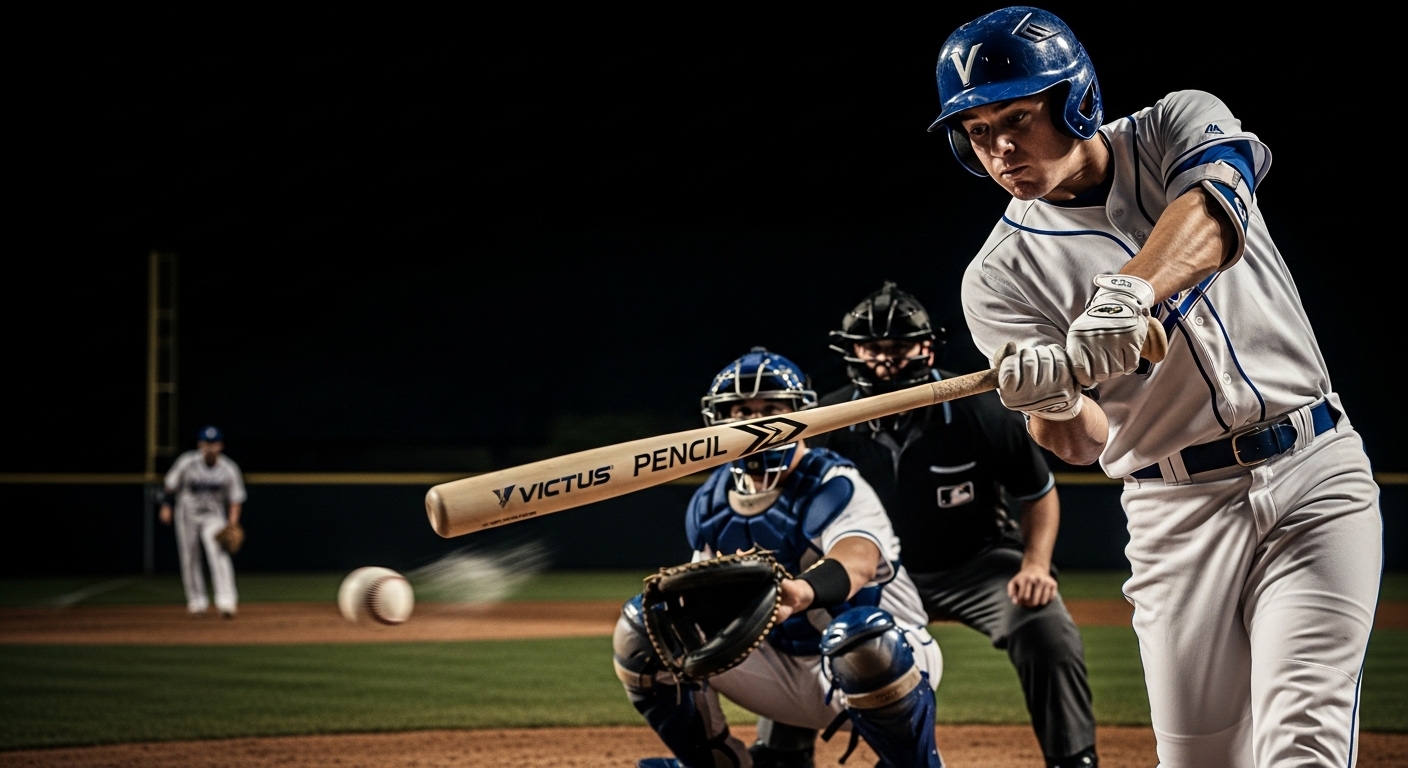
Using a victus pencil bat in competitive environments offers subtle advantages that many players overlook. Pitchers today rely heavily on velocity and movement, making quick reactions essential.
The lighter, faster design of the pencil bat helps hitters react more efficiently. You gain precious milliseconds in decision-making, which can make the difference between a late swing and solid contact.
Additionally, the improved control allows hitters to adjust mid-swing more effectively. Whether you are facing a fastball inside or an off-speed pitch outside, the bat responds quickly to your hands.
This adaptability becomes a major asset in high-pressure situations, where split-second adjustments determine outcomes.
Choosing the right victus pencil bat for your style
Not all pencil bats are identical. Variations in length, weight, and wood type can significantly impact performance. Choosing the right one depends on your hitting style and physical attributes.
Players who rely on speed may prefer a lighter model with a balanced feel. Power hitters might lean toward a slightly end-loaded version for added force behind each swing.
Wood type also matters. Maple offers durability and a harder surface, while birch provides a mix of flexibility and strength. Ash delivers a lighter feel with more flex, which some hitters prefer for whip-like swings.
Testing different options in a batting cage or training session can help you find the perfect match. The right combination enhances your strengths while minimizing weaknesses.
Training with a pencil bat to level up faster
Even if you do not use a victus pencil bat in games, it serves as an exceptional training tool. Many coaches recommend incorporating it into regular practice routines to refine technique.
Short, focused sessions with a pencil bat can dramatically improve hand-eye coordination. The smaller barrel forces you to track the ball more carefully and make precise contact.
You can also use it for tee work and soft toss drills. These controlled environments allow you to focus on mechanics without the pressure of live pitching. Over time, these improvements carry over to game situations, making your regular bat feel easier to handle.
Common mistakes to avoid when switching
Switching to a victus pencil bat requires a mindset shift. Many players make the mistake of swinging harder instead of smarter. This often leads to poor contact and frustration.
Another common issue is overcompensating for the smaller barrel. Players may try to “aim” their swing, which disrupts natural mechanics. Instead, focus on smooth, controlled motion and let the bat do the work.
Patience is key during the transition period. It may take a few sessions to adjust, but the long-term benefits outweigh the initial learning curve.
Real world performance insights from hitters
Players who consistently use the victus pencil bat often highlight its impact on confidence. Knowing that your swing is clean and efficient builds trust at the plate.
Many advanced hitters report improved batting averages and better quality of contact. Even when they return to traditional bats, the skills developed with the pencil bat remain.
This lasting improvement makes it more than just a piece of equipment—it becomes part of a long-term development strategy.
Where this bat fits in modern baseball trends
Baseball continues to evolve, and hitting philosophies are changing rapidly. The focus has shifted toward efficiency, bat speed, and precision rather than sheer power.
The victus pencil bat aligns perfectly with this evolution. It encourages a more refined approach, where technique and timing take priority over brute strength.
As analytics and performance data become more influential, tools like the pencil bat gain popularity for their measurable impact on swing metrics.
Conclusion
The victus pencil bat reshapes how hitters think about performance at the plate. It strips away excess weight and forces a focus on what truly matters timing, precision, and efficient movement. While it may challenge you at first, it rewards discipline with noticeable improvements in both consistency and power.
If you are serious about elevating your game, this bat offers more than just a different feel. It delivers a new perspective on hitting, one that aligns with the demands of modern baseball and the pursuit of excellence.
FAQs
1. Is the victus pencil bat good for beginners?
Yes, but beginners may need time to adjust. The smaller barrel demands better coordination, which can initially feel challenging. However, it accelerates skill development and improves fundamentals faster than traditional bats.
2. Does the victus pencil bat reduce power?
Not necessarily. While it feels lighter, the increased bat speed often compensates for reduced mass. Clean contact with proper mechanics can generate impressive power.
3. Can I use a victus pencil bat in official games?
This depends on league regulations. Some leagues allow it, while others have restrictions on bat profiles. Always check your league rules before using it in competition.
4. What makes it different from other wood bats?
The slim handle and tapered barrel create a faster, more controlled swing. This design prioritizes precision and mechanics over forgiveness, making it unique compared to standard bats.
5. How long does it take to adjust to a pencil bat?
Most players adapt within a few practice sessions. Consistent use during training speeds up the adjustment process and helps build confidence.