
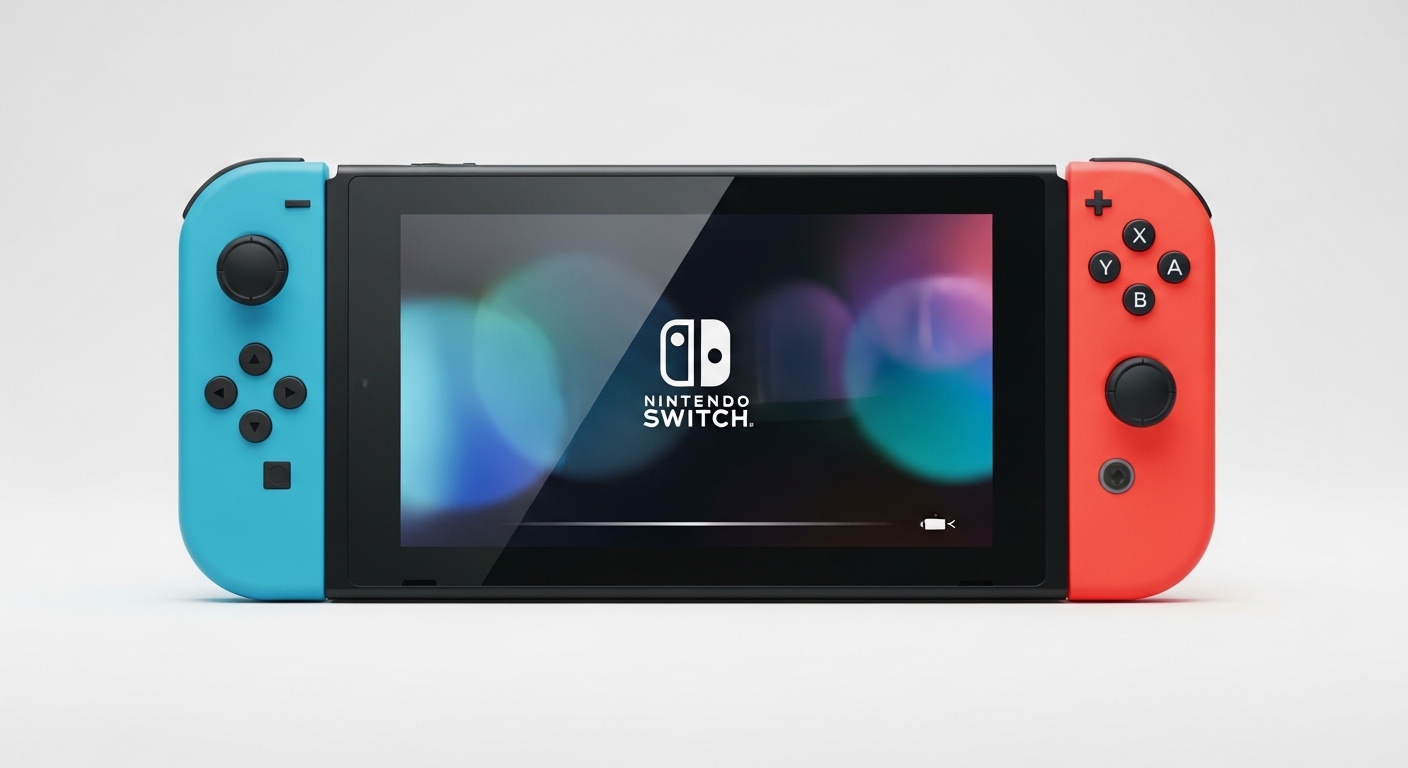
Nintendo Switch ROMs have become one of the most searched gaming terms online, especially among players looking for free access to popular titles. Nintendo Switch ROMs often appear in discussions about emulation, game preservation, and digital gaming freedom, but the reality behind them is far more complex than most people expect. Nintendo Switch ROMs refer to digital copies of game files originally designed to run on the Nintendo Switch system, and while the concept sounds simple, it sits in a legally sensitive and technically risky space that every gamer should understand before engaging with it.
The demand for these files has grown rapidly due to rising game prices, nostalgia for older titles, and curiosity about how games work outside their original hardware. However, the conversation is not just about convenience or access. It also involves copyright law, cybersecurity risks, and the long-term impact on the gaming industry. Understanding the full picture helps gamers make smarter, safer, and more informed decisions without falling into costly mistakes or legal trouble.
Table of Contents
ToggleWhat Nintendo Switch ROMs Actually Are in the Gaming World
Nintendo Switch ROMs are digital game files extracted from Nintendo Switch cartridges or system data. These files contain the full game code required to run a title outside its original console environment, usually through emulation software.
In simple terms, a ROM acts like a digital replica of a physical game cartridge. While this technology has legitimate uses in game preservation and research, most online discussions around Nintendo Switch ROMs involve unauthorized copies of commercial games, which are protected by copyright laws in most countries.
Nintendo invests heavily in developing and publishing its games, which means every title is legally protected intellectual property. Because of this, distribution of game ROMs without permission is generally considered illegal. This is where confusion often starts, as many users assume that anything downloadable online is automatically free to use, which is not the case in gaming ecosystems.
Why Nintendo Switch ROMs Became So Popular Among Gamers
The popularity of Nintendo Switch ROMs did not appear overnight. It grew from a combination of curiosity, accessibility barriers, and the evolving digital gaming culture.
Many gamers are drawn to older or discontinued titles that are no longer easily available in physical stores. Others are interested in testing games before purchasing, especially when prices are high or regional availability is limited. There is also a strong preservation argument within gaming communities, where players want to keep older titles playable even when official support ends.
Another factor is hardware experimentation. Some users explore how games behave on different systems using emulation, often driven by technical curiosity rather than gameplay alone. However, this curiosity frequently leads people into legally questionable territory without fully understanding the consequences.
The rise of online forums and file-sharing communities has also contributed to the visibility of ROM-related discussions, making it appear more normal than it actually is under law.
The Legal Reality Behind Nintendo Switch ROMs You Cannot Ignore
Nintendo Switch ROMs exist in a strict legal framework that most gamers overlook. Copyright law protects video games in the same way it protects movies, music, and software. This means unauthorized copying, distribution, or downloading of Nintendo Switch games is typically illegal.
Even if a user owns the physical cartridge, sharing or downloading a digital ROM version from unofficial sources still violates intellectual property rights in many jurisdictions. The legality becomes even clearer when it involves commercial distribution or public sharing of game files.
Nintendo has historically taken a strong stance against piracy, actively pursuing legal action against websites and individuals distributing unauthorized copies of its games. This enforcement shows how seriously the company treats its intellectual property.
It is also important to understand that laws vary by country, but the majority of regions align on protecting copyrighted game content. This makes Nintendo Switch ROMs a legally risky subject regardless of intent.
Hidden Risks Behind Unauthorized Game Files
Beyond legal concerns, Nintendo Switch ROMs from unofficial sources often carry significant technical risks that can harm devices and personal data.
One of the most common issues is malware infection. Many files shared online are modified or bundled with harmful software designed to steal information, track user activity, or damage systems. Since these files come from unverified sources, users have no guarantee of safety.
Another issue is file corruption. Downloaded ROMs may not function properly, leading to crashes, glitches, or incomplete gameplay experiences. This creates frustration and wasted time for users expecting stable performance.
There is also the risk of account bans when using unauthorized software with online services. Gaming platforms actively monitor suspicious activity, and violations can result in permanent restrictions on accounts or consoles.
In short, what appears to be a “free gaming shortcut” often comes with hidden costs that outweigh the benefits.
Safe and Legal Ways to Enjoy Nintendo Switch Games

Gamers who want to enjoy Nintendo Switch titles safely have multiple legitimate options that provide a stable and high-quality experience.
The most direct option is purchasing games through the Nintendo eShop, which offers digital downloads of both new and classic titles. Physical cartridges remain another reliable choice, especially for collectors who prefer ownership of tangible copies.
Subscription services like Nintendo Switch Online also provide access to a growing library of classic games, offering a cost-effective way to experience retro titles legally. These services often include cloud features, multiplayer access, and exclusive bonuses that enhance gameplay.
Second-hand marketplaces are another budget-friendly alternative, allowing players to purchase used physical games at lower prices without legal concerns.
Many gaming blogs and resources also provide seasonal sales updates, helping users track discounts and bundles that make official games more affordable.
Emulation and Game Preservation: The Legit Side of the Conversation
Emulation itself is not inherently illegal. It becomes problematic only when it is used with unauthorized game files. In fact, emulation plays a major role in digital preservation, allowing older games to remain accessible even when original hardware becomes obsolete.
Game preservation efforts often focus on protecting gaming history, ensuring that classic titles are not lost over time. Researchers, developers, and archivists sometimes use emulation in controlled and legal environments to study game design and maintain digital archives.
The key distinction lies in ownership and distribution. Using emulation with legally obtained game files is generally considered acceptable in many regions, while using it with pirated content crosses legal boundaries.
This distinction is often misunderstood, which contributes to confusion around Nintendo Switch ROMs and their use in gaming communities.
How the Gaming Industry Is Responding to Unauthorized Game Distribution
The gaming industry, including Nintendo, continues to invest heavily in anti-piracy technology and digital rights protection systems. These measures are designed to prevent unauthorized copying and distribution of games.
Frequent system updates, encrypted game formats, and online verification systems are commonly used to protect content integrity. Companies also monitor illegal distribution networks and take down websites that host unauthorized files.
Beyond enforcement, developers are also improving accessibility through digital storefronts, subscription services, and regional pricing strategies. These efforts aim to reduce the demand for unauthorized game files by making legal access easier and more affordable.
This ongoing balance between protection and accessibility continues to shape how modern gaming ecosystems evolve.
Smarter Alternatives for Budget-Conscious Gamers
Not every gamer wants to spend heavily on new releases, and the industry has responded with several legitimate ways to reduce costs without resorting to unauthorized downloads.
Seasonal sales on digital platforms often offer significant discounts on popular titles. Bundled game collections also provide better value by packaging multiple games together at reduced prices.
Subscription-based gaming services continue to expand, offering libraries of games for a fixed monthly cost. This model allows players to explore different genres without purchasing each title individually.
Staying updated on official promotions and regional offers can also help gamers access high-quality content at lower prices while staying within legal boundaries.
Conclusion
Gaming continues to evolve rapidly, and access to digital content has never been easier or more flexible. While Nintendo Switch ROMs may appear attractive at first glance, the risks tied to legality, security, and ethics make them a complicated choice. Exploring official gaming options not only ensures a safer experience but also supports the developers who create the games players enjoy every day.
Frequently Asked Questions
1. Are Nintendo Switch ROMs legal to download?
In most cases, downloading Nintendo Switch ROMs from unofficial sources is illegal because it involves copyrighted game files distributed without permission from the rights holder.
2. Can I use ROMs if I already own the game?
Owning a physical copy does not automatically make downloading or sharing a ROM legal. Copyright laws still apply to digital distribution.
3. Is emulation itself illegal?
Emulation software is generally legal, but using it with unauthorized game files can violate copyright laws depending on your region.
4. Why do people still search for Nintendo Switch ROMs?
People often search for ROMs due to cost concerns, curiosity, game preservation interests, or lack of access to certain titles.
5. What are the risks of downloading ROM files online?
Risks include malware infections, corrupted files, legal consequences, and potential bans from gaming platforms.
6. What is the safest way to play Nintendo Switch games?
The safest way is to purchase games through official stores like the Nintendo eShop or use authorized subscription services.