
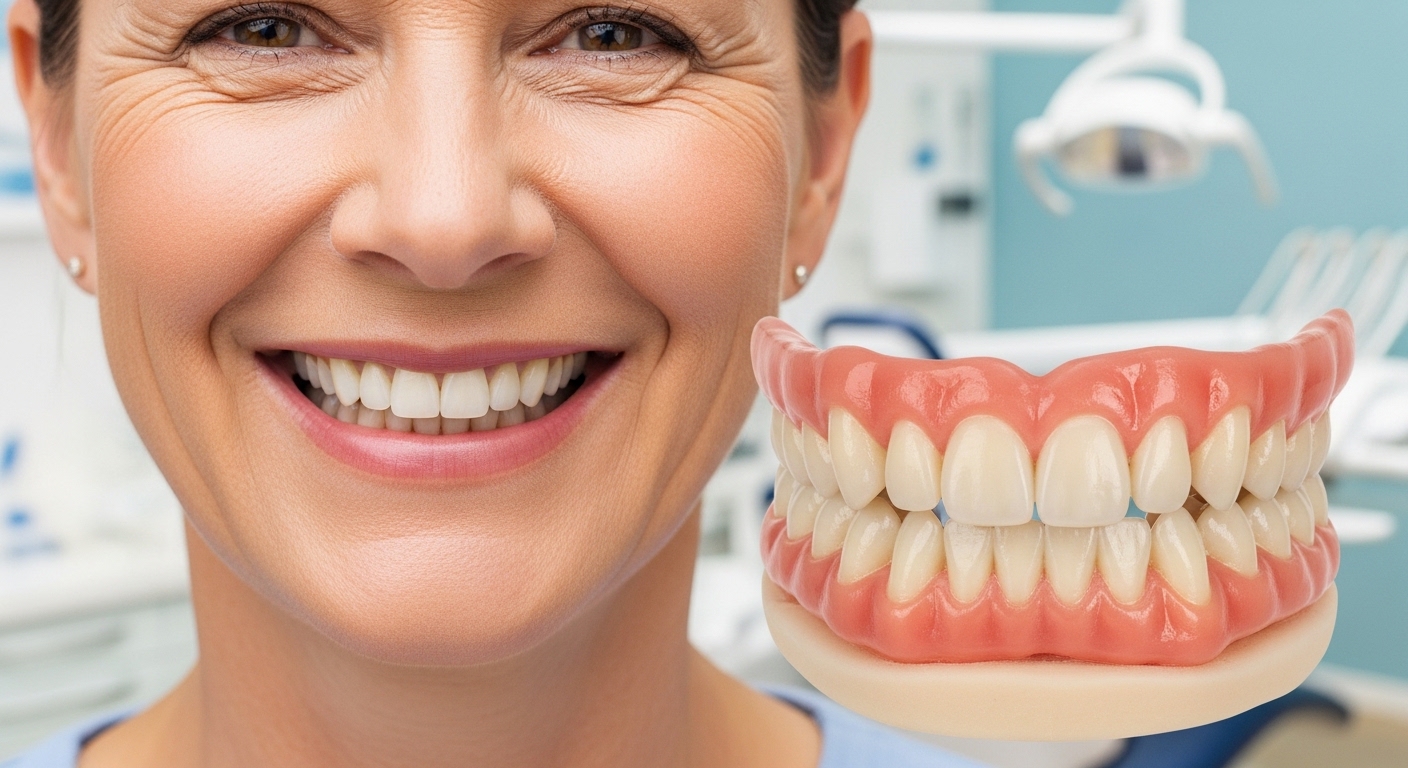
Flexible dentures are transforming the way people restore their smiles, offering a comfortable, natural-looking alternative to traditional rigid dentures. If you have ever struggled with bulky dental plates or worried about slipping teeth, flexible dentures bring a modern solution that feels lighter, fits better, and looks more like your real gums and teeth.
Unlike conventional acrylic dentures, these use a soft, bendable material that adapts to the shape of your mouth. That flexibility makes them not only more comfortable but also far less noticeable when you talk or smile. For many people, this means renewed confidence in everyday interactions without the constant reminder of wearing dental appliances.
Table of Contents
ToggleWhy Flexible Dentures Feel So Different
The key difference lies in the material. Flexible dentures are typically made from thermoplastic nylon rather than hard acrylic. This allows them to gently hug your gums instead of sitting rigidly on top.
That small change creates a big impact. You experience less irritation, fewer pressure points, and a more secure fit. The denture moves slightly with your mouth instead of resisting it, which makes chewing and speaking feel more natural.
Another advantage is the absence of metal clasps. Traditional partial dentures often rely on visible metal hooks to stay in place. Flexible dentures use gum-colored clasps that blend seamlessly, making them almost invisible.
A Natural Look That Boosts Confidence
Appearance matters, especially when it comes to your smile. Flexible dentures excel in this area because the base material mimics the color and translucency of natural gums.
Instead of a flat pink plate, you get a lifelike appearance that integrates smoothly with your existing teeth. This subtle detail makes a noticeable difference when you laugh, speak, or eat in public.
Many users report that people cannot tell they are wearing dentures at all. That level of discretion can significantly improve self-esteem, particularly for those who felt self-conscious with traditional options.
Comfort That Lasts All Day
Comfort is one of the biggest reasons people switch to flexible dentures. Because they are lightweight and adaptable, they reduce common issues such as sore spots and gum irritation.
You do not have to deal with the constant pressure that rigid dentures can create. The material distributes force more evenly, making it easier to wear them for extended periods.
This comfort becomes especially important during meals. Flexible dentures allow for better chewing efficiency without causing pain or discomfort, even with tougher foods.
Who Should Consider Flexible Dentures
Flexible dentures work well for a wide range of people, but they are especially beneficial in certain situations.
If you have sensitive gums or struggle with traditional dentures, this option can provide relief. The softer material minimizes friction and reduces the risk of inflammation.
They are also ideal for those who need partial dentures. The flexible design makes it easier to fit around existing teeth without causing damage or discomfort.
However, they may not suit everyone. People who require full dentures or need significant structural support might still benefit more from conventional options. A dental professional can help determine the best choice based on your specific needs.
Comparing Flexible and Traditional Dentures
Choosing between flexible and traditional dentures often comes down to comfort, aesthetics, and functionality.
Flexible dentures offer a more natural look and feel. They eliminate metal components and provide a snug, adaptive fit. This makes them ideal for everyday comfort and confidence.
Traditional dentures, on the other hand, tend to be more rigid and durable. They can be easier to adjust and repair, which may be important for long-term use.
If comfort and appearance rank highest on your priority list, flexible dentures usually come out ahead. If durability and cost matter more, traditional options might still hold value.
Daily Care Made Simple
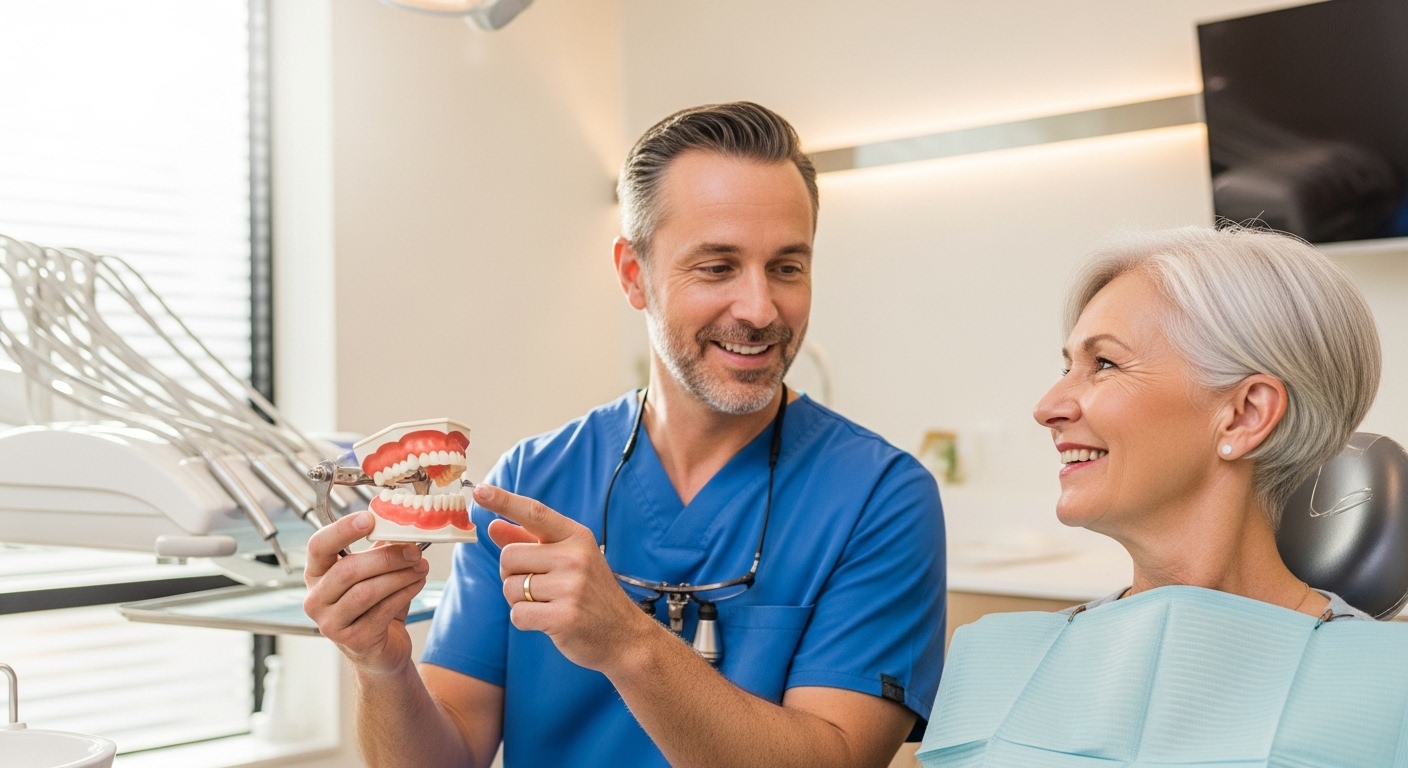
Taking care of flexible dentures does not require complicated routines, but consistency matters.
You should clean them daily using a non-abrasive denture cleanser. Avoid regular toothpaste, as it can damage the surface. Rinse them after meals to remove food particles and prevent buildup.
It is also important to store them properly when not in use. Keeping them moist helps maintain their shape and flexibility.
Regular dental checkups remain essential. Even with dentures, your oral health needs monitoring to ensure your gums and remaining teeth stay healthy.
Eating and Speaking with Ease
One of the biggest concerns for denture wearers involves eating and speaking. Flexible dentures address both effectively.
Because they fit more securely, you can enjoy a wider variety of foods without fear of slipping. Start with softer foods and gradually reintroduce harder textures as you adjust.
Speech also improves quickly. The snug fit reduces movement, allowing your tongue to adapt naturally. Most users find their speech returns to normal within a short period.
Longevity and Durability
Flexible dentures are designed to withstand daily use, but they require proper care to last. Their material resists cracks and fractures better than traditional acrylic, which adds to their durability.
However, they are not completely immune to wear. Over time, they may need adjustments or replacement, especially if your gum structure changes.
With good maintenance and regular dental visits, flexible dentures can serve you well for several years.
Cost Considerations and Value
Flexible dentures often cost more upfront than traditional options, but many people find the investment worthwhile.
You pay for enhanced comfort, improved aesthetics, and a better overall experience. For individuals who wear dentures daily, these benefits can significantly impact quality of life.
Some dental clinics offer payment plans, making it easier to manage the cost. It is worth discussing your options with your dentist to find a solution that fits your budget.
Real Life Impact: A Smile That Feels Like Yours Again
The true value of flexible dentures goes beyond their technical features. They restore a sense of normalcy that many people lose with missing teeth.
You can smile without hesitation, speak without worry, and enjoy meals without discomfort. These everyday moments add up, creating a noticeable improvement in confidence and well-being.
For many users, flexible dentures do not just replace teeth. They restore a part of life that felt lost.
Smart Internal Linking Opportunities
To enhance reader experience and provide deeper insights, consider linking this article to related topics such as “denture care tips,” “partial vs full dentures,” and “how to choose the right dentist.” These connections help readers explore more while staying engaged on your site.
Conclusion
Flexible dentures offer a refreshing shift from the discomfort and limitations of traditional options, giving you a solution that feels as natural as it looks. Their lightweight design, secure fit, and lifelike appearance make everyday activities like eating, speaking, and smiling far more comfortable and effortless. While they may not be the perfect fit for every situation, their ability to restore confidence and improve daily quality of life makes them a standout choice for many people.
Choosing the right denture ultimately depends on your needs, but if comfort, flexibility, and a discreet appearance matter most, flexible dentures provide a modern answer that truly enhances how you feel about your smile.
Frequently Asked Questions
1. Are flexible dentures better than traditional dentures
Flexible dentures offer superior comfort and a more natural appearance, making them a preferred choice for many people. However, traditional dentures may still be better for those who need stronger structural support or lower-cost options.
2. How long do flexible dentures last
With proper care, flexible dentures can last between five to eight years. Regular dental visits help ensure they remain in good condition and fit properly over time.
3. Can you eat normally with flexible dentures
Yes, you can eat most foods comfortably with flexible dentures. It is best to start with softer foods and gradually return to your normal diet as you adjust to the fit.
4. Do flexible dentures stain easily
They resist staining better than some traditional materials, but they can still discolor over time if not cleaned properly. Daily maintenance helps keep them looking fresh.
5. Are flexible dentures suitable for full tooth replacement
They are more commonly used for partial dentures. While they can be used in some full denture cases, they may not provide enough support for everyone.
6. Do flexible dentures require adhesive
Most flexible dentures fit securely without adhesive. Their design allows them to stay in place naturally, which adds to their comfort and convenience.