
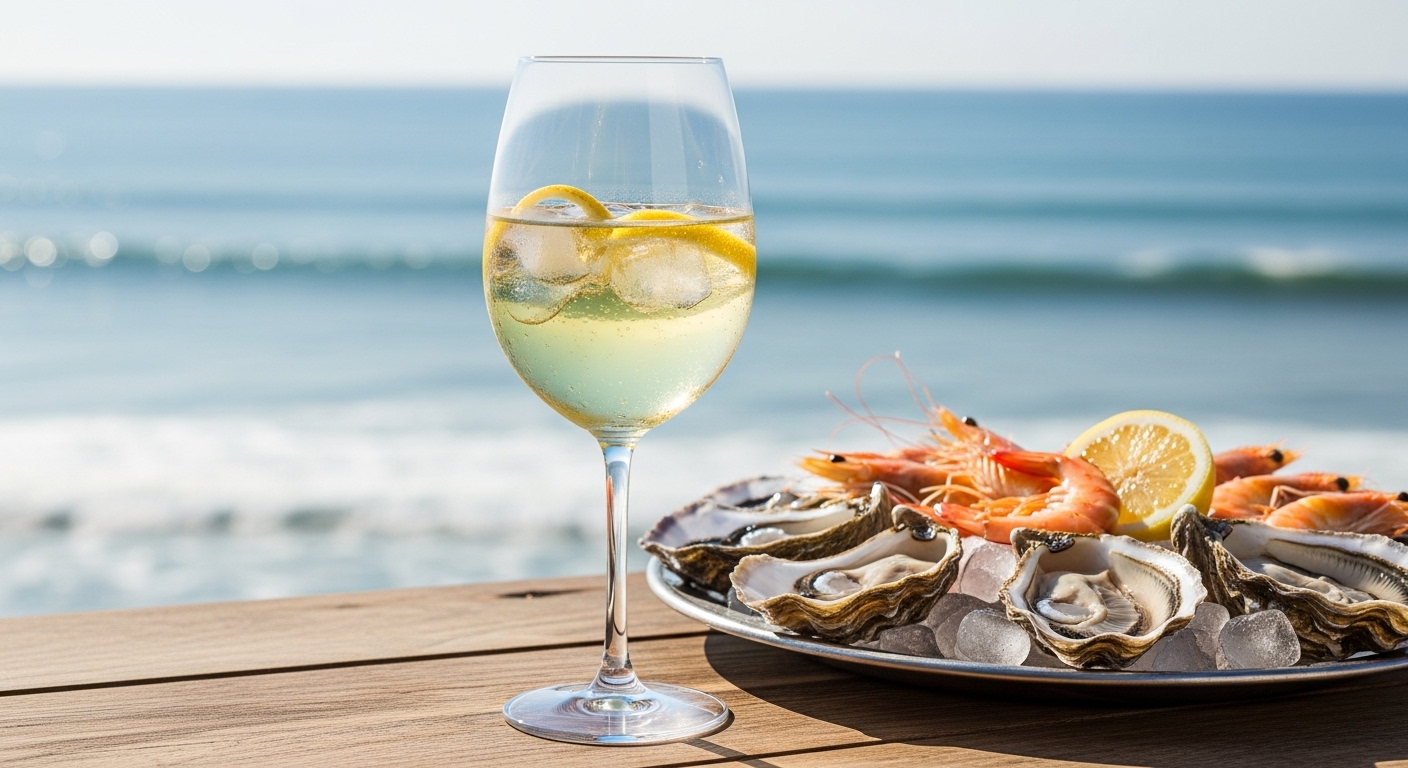
Albariño wine instantly captures attention with its bright personality, coastal freshness, and irresistibly crisp character that feels like a sea breeze in a glass. This white wine, originally from Spain’s northwestern coast, delivers a lively combination of citrus, stone fruit, and subtle salinity that sets it apart from heavier, oak-driven whites. Whether you are new to wine or already exploring beyond the usual varieties, Albariño offers a refreshing shift that feels both sophisticated and easy to enjoy. Its growing popularity comes from its versatility, food-friendliness, and ability to express terroir with striking clarity. Once you experience its vibrant acidity and clean finish, it becomes difficult to overlook.
Table of Contents
ToggleWhy Albariño Wine Feels So Different From Other Whites
Albariño wine stands out because it does not try to overwhelm your palate with richness or heavy textures. Instead, it focuses on precision, freshness, and balance. The wine typically opens with aromas of lime, green apple, peach, and sometimes a delicate floral note that adds elegance without being overpowering.
On the palate, you experience a crisp acidity that feels energizing rather than sharp. This acidity plays a key role in making Albariño incredibly refreshing, especially in warmer climates or during summer meals. Unlike wines aged heavily in oak, Albariño keeps its natural fruit profile intact, allowing the grape itself to shine.
Its subtle saline edge often surprises people. This characteristic comes from vineyards located near the Atlantic Ocean, where maritime influences shape the grapes. That faint hint of saltiness enhances food pairings in a way few wines can achieve.
The Coastal Roots That Shape Its Identity
Albariño wine finds its true expression in Spain’s Rías Baixas region, where the climate plays a defining role. Cool ocean breezes, frequent rainfall, and granite-rich soils create ideal conditions for slow grape ripening. This slow development allows flavors to intensify while maintaining high acidity.
Winemakers often train vines on elevated trellises to improve airflow and reduce moisture-related diseases. This traditional method not only protects the grapes but also contributes to the wine’s clean and vibrant profile.
Although Spain remains the heartland, Albariño has expanded to regions like Portugal (where it is called Alvarinho), California, and Australia. Each location brings subtle differences, but the core identity fresh, aromatic, and lively remains intact.
Flavor Profile That Keeps You Coming Back
Albariño wine offers a dynamic flavor spectrum that evolves as you sip. The first impression usually delivers citrus notes such as lemon and grapefruit, followed by hints of nectarine, apricot, and sometimes melon. As the wine opens up, you may notice delicate herbal or mineral undertones.
The texture feels light to medium bodied, but never thin. It carries enough weight to feel satisfying while staying refreshingly clean. The finish often lingers with a zesty, slightly salty note that makes you crave another sip.
This balance between fruit, acidity, and minerality creates a wine that feels complete without being complicated. It appeals to both casual drinkers and seasoned enthusiasts.
Food Pairings That Elevate the Experience
Albariño wine truly shines when paired with food, especially dishes that benefit from its acidity and freshness. Seafood remains the classic match, but the possibilities extend far beyond that.
Grilled shrimp, oysters, and seared scallops highlight the wine’s coastal character. The natural salinity in Albariño complements the ocean flavors beautifully, creating harmony rather than competition.
Lightly spiced dishes also work well. The wine’s acidity cuts through richness while its fruit notes balance mild heat. Think grilled chicken with herbs, citrus-marinated fish, or even sushi.
For everyday meals, Albariño pairs effortlessly with fresh salads, soft cheeses, and vegetable-based dishes. Its versatility makes it a reliable choice when you are unsure what wine to serve.
How to Serve Albariño Wine for Maximum Enjoyment
Serving Albariño correctly makes a noticeable difference in how it tastes. Chill the wine to around 8–10°C (46–50°F) to highlight its crispness without muting its aromas. If served too cold, the flavors can feel closed; if too warm, the acidity may seem less refreshing.
Use a standard white wine glass that allows the aromas to gather while giving you enough space to swirl. You do not need anything overly specialized simplicity works best.
Once opened, Albariño performs beautifully in the glass. Give it a moment to breathe, and you will notice how the aromas expand and the flavors become more expressive.
The Rising Global Popularity of Albariño Wine

Albariño wine has steadily gained attention beyond its traditional regions, and for good reason. Modern wine drinkers increasingly seek wines that feel fresh, authentic, and easy to enjoy without sacrificing quality. Albariño fits perfectly into this trend.
Producers outside Spain have started experimenting with the grape, bringing new interpretations while respecting its core characteristics. This expansion has made Albariño more accessible, allowing more people to discover its charm.
Wine lists in restaurants now feature Albariño more frequently, especially in places that emphasize seafood or contemporary cuisine. Its ability to complement a wide range of dishes makes it a favorite among sommeliers.
What Makes Albariño a Smart Choice for Any Occasion
Albariño wine adapts effortlessly to different settings. It feels equally at home during a casual lunch, a beachside gathering, or a formal dinner. Its refreshing nature makes it easy to drink, yet its complexity ensures it never feels boring.
For those exploring wine beyond the usual Chardonnay or Sauvignon Blanc, Albariño offers a compelling alternative. It provides familiarity through its fruitiness while introducing unique elements like minerality and salinity.
Its moderate alcohol level also contributes to its appeal. You can enjoy a glass without feeling overwhelmed, making it suitable for longer meals or relaxed evenings.
Buying Tips That Help You Choose the Right Bottle
When selecting Albariño wine, focus on the region and producer rather than just price. Wines from Rías Baixas often deliver the most authentic expression, with clear labeling that indicates quality.
Look for recent vintages, as Albariño typically tastes best when young. Its freshness and acidity shine within a few years of production, so there is no need to seek aged bottles unless specifically recommended.
If you explore Albariño from other countries, treat it as an opportunity to compare styles. You may find subtle differences in fruit intensity, minerality, or texture that add to your understanding of the grape.
Internal Linking Opportunities for Better Reader Flow
To enhance reader engagement and depth, consider linking this article naturally to related topics. For example, you can connect to content about “best seafood wine pairings,” “light summer wines,” or “white wines with high acidity.” These links provide additional value and keep readers exploring your site without disrupting the flow.
Common Misconceptions About Albariño Wine
Many people assume Albariño wine is overly simple because it feels easy to drink. In reality, its simplicity comes from precision and balance rather than lack of depth. Each element acidity, fruit, minerality works in harmony.
Another misconception involves sweetness. Albariño typically remains dry, even though its fruit-forward profile might suggest otherwise. This dryness makes it more versatile for food pairing.
Some also compare it directly to Sauvignon Blanc. While both share high acidity, Albariño tends to offer a softer, more rounded texture with a distinct coastal influence.
Conclusion
Albariño wine offers more than just refreshment—it delivers a distinct experience shaped by coastal influences, vibrant fruit, and refined balance. It invites you to slow down, savor each sip, and appreciate the subtle details that make it special. Once it finds a place on your table, it rarely leaves your rotation.
FAQs
1. What does Albariño wine taste like?
Albariño wine tastes fresh and vibrant, with flavors of citrus fruits like lemon and grapefruit, along with peach, apricot, and subtle floral notes. It often finishes with a clean, slightly salty edge that enhances its uniqueness.
2. Is Albariño wine sweet or dry?
Albariño wine is typically dry. Its fruity aroma can create the impression of sweetness, but the palate remains crisp and refreshing with balanced acidity.
3. What foods pair best with Albariño wine?
Seafood pairs exceptionally well, including shrimp, oysters, and fish. It also complements light poultry dishes, salads, and mildly spiced meals, making it highly versatile.
4. Should Albariño wine be aged?
Most Albariño wines are best enjoyed young, usually within two to three years of release. This ensures you experience its fresh and lively character at its peak.
5. Where is Albariño wine from?
Albariño wine originates from Spain, particularly the Rías Baixas region. It is also produced in Portugal and other wine regions around the world.