
marlboro.com represents the official digital gateway to one of the world’s most recognized tobacco brands, offering a structured look into its brand identity, product communication, and regulated consumer information. The platform is designed to reflect the company’s global presence while maintaining strict compliance with age restrictions and regional regulations. Rather than functioning as a simple promotional page, it serves as a controlled informational hub where users can understand the brand’s positioning, heritage, and market presence. In today’s digital-first environment, such websites play a critical role in shaping how legacy consumer brands present themselves responsibly online. Marlboro’s digital ecosystem is closely tied to regulatory frameworks, making it significantly different from typical lifestyle or retail websites.
At its core, marlboro.com focuses on structured brand communication, responsible messaging, and controlled access to information. It does not operate as an open e-commerce platform but instead prioritizes verified access and legal compliance depending on the user’s location. This approach reflects how regulated industries adapt to modern digital expectations while maintaining strict adherence to advertising laws.
Table of Contents
ToggleThe Digital Identity Behind marlboro.com
The digital identity of marlboro.com is built around consistency, regulation, and global brand recognition. It reflects the long-standing presence of the Marlboro brand under the broader corporate umbrella of Marlboro, which is associated with international tobacco markets and heavily regulated consumer environments.
Unlike typical commercial websites that prioritize direct sales or open browsing, marlboro.com is structured to guide users through verified pathways. Many regions implement age-gating systems that restrict access until users confirm legal eligibility. This ensures compliance with national laws while maintaining brand integrity.
The design philosophy behind the platform is minimal, controlled, and informational. It avoids aggressive marketing techniques and instead focuses on clarity, legal responsibility, and brand storytelling. This makes it a case study in how regulated industries manage digital communication in a global environment.
How marlboro.com Positions the Brand Online
marlboro.com positions the Marlboro brand as a heritage-driven identity that emphasizes history, craftsmanship messaging, and global recognition. The website does not function as a typical consumer shopping platform. Instead, it presents structured information that aligns with regulatory standards and corporate communication policies.
One of the key elements of the platform is its emphasis on regional adaptation. Users in different countries may see different versions of the site depending on local laws and marketing restrictions. This geo-specific customization ensures compliance while maintaining a unified global brand image.
The website also reflects how Marlboro balances tradition with modern digital expectations. While the brand has a long historical background, its online presence is carefully curated to avoid overexposure and maintain responsible communication standards.
User Experience and Navigation Structure
The user experience on marlboro.com is intentionally streamlined. It is not designed for entertainment or browsing variety but rather for controlled access and structured navigation. Pages are typically organized around brand information, responsible usage messaging, and region-specific content.
Navigation is often simplified into clear categories that guide users through verified sections. This reduces confusion and ensures compliance with legal frameworks. The interface prioritizes readability and accessibility over visual complexity.
Another defining aspect is the age verification system. Before accessing most content, users are required to confirm they meet the legal age requirement for tobacco-related information in their country. This system is a critical component of the platform’s architecture and reflects its commitment to regulatory compliance.
Internal linking within the website is also carefully structured. Users are guided from general brand information to more specific sections without overwhelming navigation options. This controlled flow ensures both legal safety and user clarity.
Global Compliance and Legal Framework Integration
One of the most important aspects of marlboro.com is its integration with international regulatory systems. Tobacco-related content is heavily restricted in many countries, and the website adapts accordingly.
Each region has different rules regarding how tobacco brands can present themselves online. As a result, marlboro.com dynamically adjusts its content availability. In some regions, users may only see informational pages, while in others, additional brand storytelling elements may be accessible.
This compliance-driven architecture ensures that the platform remains operational globally while respecting local laws. It also highlights how multinational brands must balance consistency with legal diversity across markets.
The website also avoids direct promotional tactics that are common in other industries. Instead, it focuses on informational clarity, responsible messaging, and controlled access, making it fundamentally different from standard consumer websites.
Brand Heritage and Historical Context
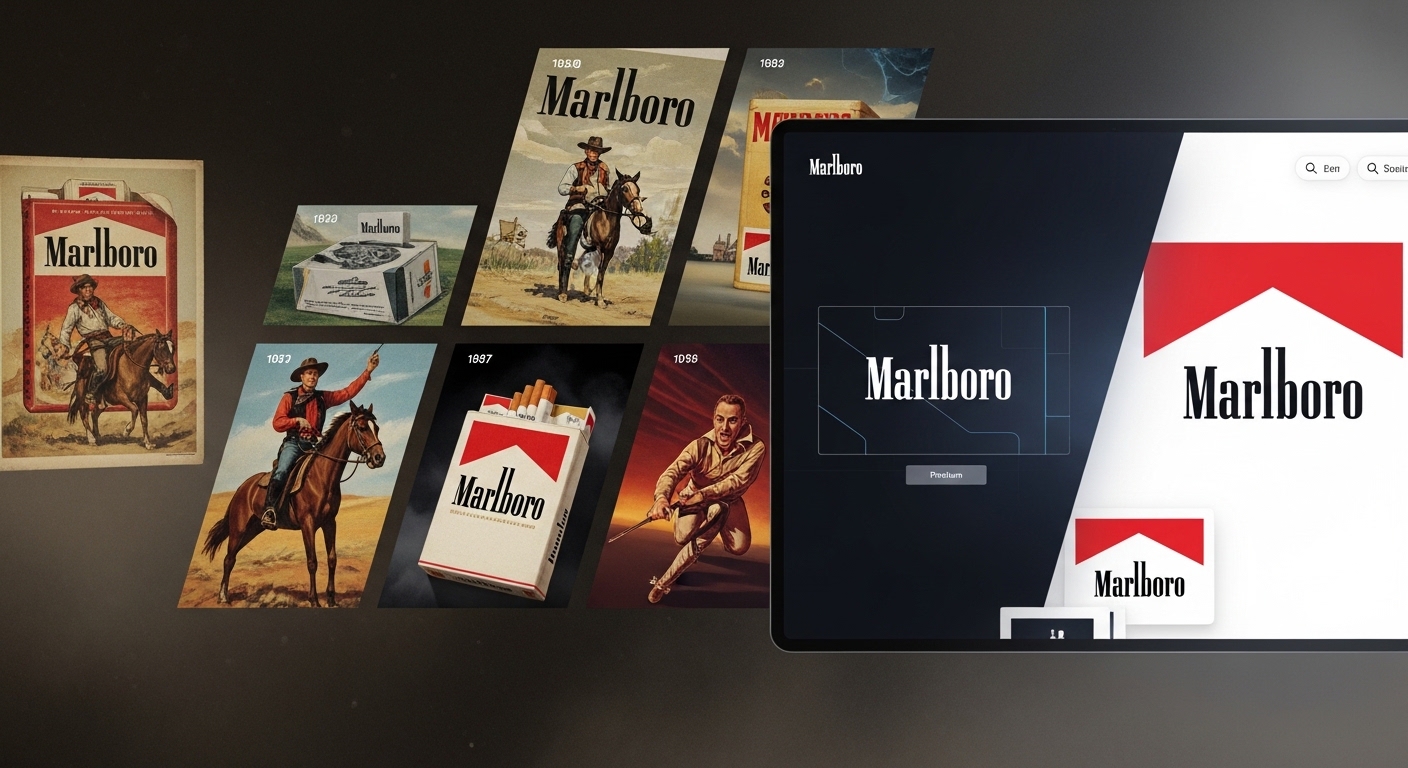
The Marlboro brand has one of the most recognizable identities in global consumer history. Through marlboro.com, this heritage is presented in a controlled and structured format. The website often highlights the evolution of the brand over time, focusing on its cultural and historical significance.
However, this presentation is carefully moderated. It avoids glamorization and instead maintains a neutral, informational tone. This reflects broader industry standards that govern how tobacco-related brands communicate in the digital age.
The historical narrative is typically presented in a way that emphasizes brand evolution, market presence, and corporate responsibility. It does not function as promotional storytelling but rather as structured brand documentation.
Responsible Communication and Age Restrictions
A defining feature of marlboro.com is its strict emphasis on responsible communication. The platform is designed exclusively for adults of legal age, and this restriction is enforced through verification systems.
This is not just a legal requirement but a core part of the brand’s digital strategy. By restricting access, the platform ensures compliance with global advertising laws and reinforces responsible messaging standards.
The website also includes reminders and disclaimers that emphasize responsible consumption messaging where applicable. These elements are integrated throughout the user journey rather than being isolated in a single section.
Such design choices reflect how regulated industries must operate in digital environments where accessibility and compliance must coexist.
Regional Differences in Digital Access
One of the most interesting aspects of marlboro.com is its regional variability. The content users see depends heavily on their geographic location. This is due to differing tobacco advertising laws across countries.
For example, some regions may restrict all product-related imagery, while others allow limited informational content. The website adapts dynamically to ensure full compliance.
This localized approach ensures that Marlboro maintains a consistent global identity while respecting national legal boundaries. It also demonstrates how digital platforms must evolve to handle regulatory complexity at scale.
Why marlboro.com Focuses on Controlled Information
Unlike typical commercial websites, marlboro.com does not prioritize open exploration or unrestricted browsing. Instead, it focuses on controlled information delivery. This is essential for industries that operate under strict legal frameworks.
Controlled information ensures that users only access content that is legally permitted in their region and appropriate for their age group. It also reduces risk for the brand while maintaining transparency.
This approach represents a shift in how legacy consumer brands operate online. Instead of maximizing engagement, the focus is on compliance, responsibility, and structured communication.
Conclusion
marlboro.com stands as a structured example of how globally recognized, regulated brands manage their digital presence in a legally complex environment. It prioritizes compliance, controlled communication, and responsible messaging over traditional marketing techniques.
Its design reflects a careful balance between brand identity and regulatory obligation. Every element, from navigation to content access, is shaped by legal requirements and global consistency standards.
In a digital landscape where most websites focus on engagement and conversion, marlboro.com operates differently. It represents a model where responsibility, restriction, and structured communication define the user experience more than promotional intent.
Frequently Asked Questions
1. What is marlboro.com used for?
marlboro.com is used as the official digital platform for presenting brand-related information, regional content access, and responsible messaging. It is not a traditional e-commerce website and focuses heavily on compliance and controlled information delivery.
2. Why does marlboro.com require age verification?
Age verification is required to ensure that only legally eligible users can access tobacco-related content. This is a mandatory legal requirement in most countries and is strictly enforced on the platform.
3. Does marlboro.com sell products directly?
No, marlboro.com does not function as a direct online store. Its purpose is informational and regulatory, depending on the region. Product availability and presentation vary based on local laws.
4. Why does the website look different in different countries?
The website adapts to regional laws and regulations. Since tobacco advertising rules vary globally, marlboro.com adjusts its content and accessibility accordingly.
5. Is marlboro.com accessible to everyone?
Access is restricted based on age and geographic location. Users must confirm they meet legal age requirements before viewing most content.