
Us phone book connects people to verified contact information across the United States in a way that still feels surprisingly relevant in today’s digital-first world. Even with smartphones and social media dominating communication, structured directories remain a powerful tool for finding individuals, businesses, and services quickly and reliably. Many users underestimate how often a phone directory can solve everyday problems, from reconnecting with old contacts to verifying unknown callers or locating local services. What makes it even more interesting is how it has evolved from printed pages into advanced online databases that are faster, more accurate, and more accessible than ever before.
The idea behind a phone book is simple, yet its impact is far-reaching. It organizes millions of listings into a searchable system that saves time and reduces confusion. Whether someone is searching for a residential number, a business address, or background contact details, the us phone book continues to serve as a foundational reference point in the communication ecosystem.
Table of Contents
ToggleThe Evolution of the us phone book in a Digital Era
The us phone book once existed as thick printed volumes delivered to households and offices. People flipped through alphabetical pages to find names, addresses, and telephone numbers. It was a daily utility before search engines took over.
Today, the same concept has transformed into digital databases that update in real time. Instead of waiting for yearly print editions, users now access continuously updated information through online platforms. This shift has made the system more dynamic, reducing outdated entries and improving search accuracy.
What makes this evolution important is accessibility. Users can now search by name, phone number, location, or even partial details. This flexibility was impossible in traditional printed directories and has expanded the usefulness of the modern us phone book far beyond its original purpose.
Why People Still Rely on a us phone book Today
Even with advanced search engines and social media platforms, people still rely on structured phone directories for specific reasons. One of the biggest advantages is data organization. Unlike random search results, phone books categorize information in a predictable format, making it easier to locate verified details quickly.
Another key reason is reliability. Many users prefer directory-based information when verifying unknown numbers or checking business legitimacy. This helps reduce risks associated with spam calls, fake listings, or misleading online profiles.
In addition, the us phone book is often used in professional environments where quick verification is required. Businesses, customer service teams, and researchers frequently depend on structured contact databases to confirm identities or locate official contact channels.
How the us phone book Organizes Information
A well-structured phone directory follows a clear system that makes searching efficient. Listings are typically organized alphabetically for personal names and categorized by industry or service type for businesses. This dual structure helps users navigate large datasets without confusion.
Modern systems also include reverse lookup features, allowing users to identify who owns a phone number. This feature has become especially useful in identifying unknown callers and reducing phone scams.
Location-based filtering is another powerful feature. Users can narrow down searches by state, city, or ZIP code, making it easier to find local contacts. This level of precision has significantly improved the usability of the us phone book compared to older versions.
The Role of Accuracy and Data Verification
Accuracy is the backbone of any reliable phone directory. Without verified data, the entire system loses value. Modern us phone book platforms use multiple verification methods to maintain data integrity.
These methods include cross-referencing public records, updating user-submitted corrections, and integrating business registry databases. Automated systems also help detect outdated or duplicate entries, ensuring cleaner results.
However, no database is perfect. Users are encouraged to verify critical information through multiple sources when necessary, especially for legal, financial, or professional purposes.
Everyday Uses of a us phone book
The practical applications of a phone directory extend far beyond simply finding a phone number. Many people use it for reconnecting with friends or relatives they have lost contact with over time. Others use it to identify unknown callers before returning missed calls.
Businesses rely heavily on directories to reach customers, partners, and suppliers. Marketing teams often use contact databases for outreach campaigns, while service providers use them to expand their local presence.
Another growing use case is fraud prevention. By checking unknown numbers, users can avoid scam attempts and unwanted communication. This protective function has made the us phone book a valuable digital safety tool.
Differences Between Free and Premium Directory Services
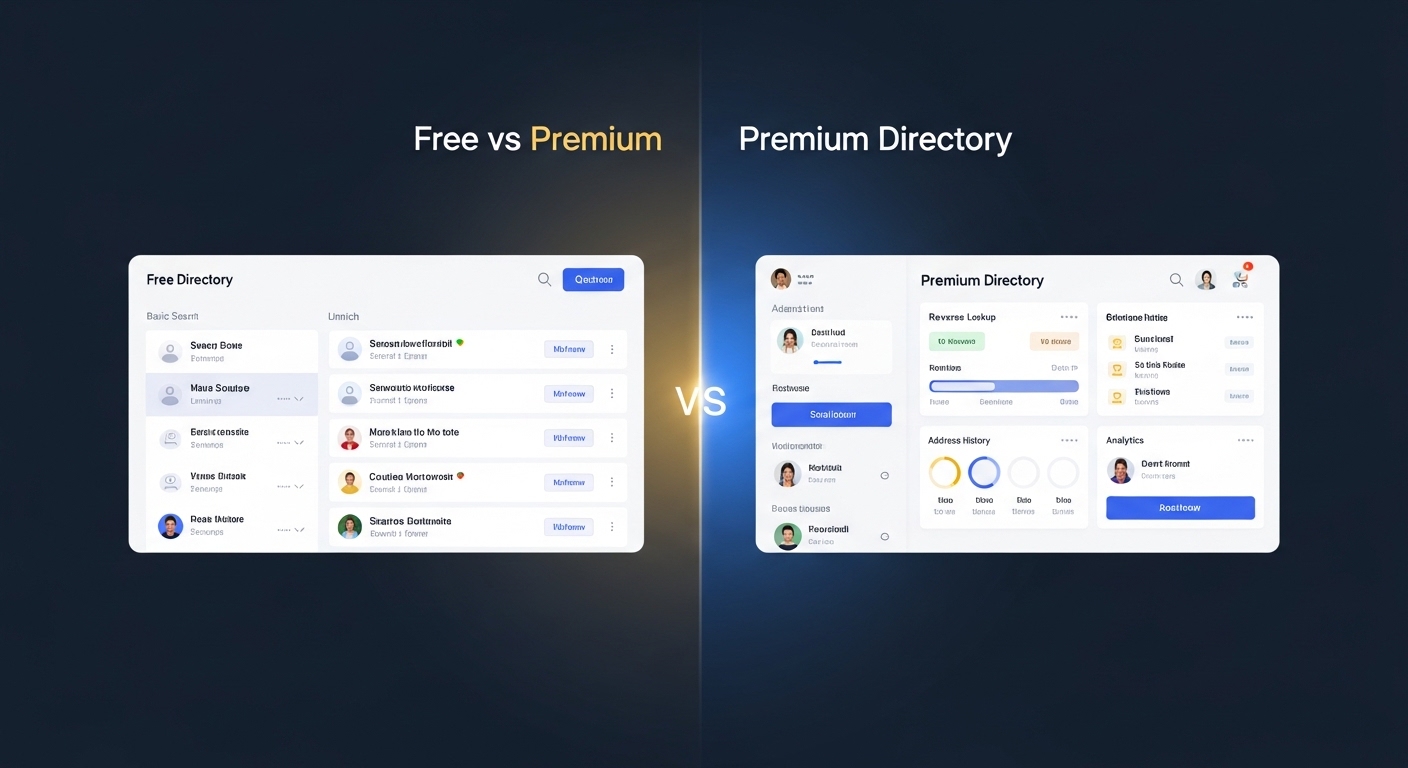
Not all phone directory services operate the same way. Free versions usually provide basic contact information such as names and phone numbers. These are sufficient for general searches and casual use.
Premium services, on the other hand, offer deeper insights. These may include background details, address history, and advanced reverse lookup capabilities. Businesses often prefer these enhanced features for more detailed verification processes.
Choosing between free and premium versions depends on the user’s needs. For everyday personal use, free access is usually enough. For professional or investigative purposes, upgraded services provide additional value.
Privacy Concerns Around the us phone book
Privacy is one of the most discussed topics when it comes to public directories. Some individuals are concerned about their personal information being accessible online. As a result, many modern systems offer opt-out options that allow users to remove or limit their listings.
At the same time, directories must balance transparency with privacy. Publicly available business information is generally kept accessible, while personal residential data is often subject to stricter regulations depending on the source.
Understanding these boundaries helps users navigate the system responsibly while respecting data protection standards.
How Businesses Benefit from us phone book Listings
For businesses, being listed in a phone directory can significantly improve visibility. Customers often search for local services directly through directory platforms, especially when they need quick solutions like plumbing, repair services, or medical assistance.
A well-maintained listing increases credibility. It reassures customers that the business is legitimate and reachable. Many directories also allow businesses to update their information, ensuring accuracy across platforms.
In competitive markets, this visibility advantage can make a meaningful difference in customer acquisition and trust-building.
The Future of the us phone book
The future of phone directories is closely tied to data intelligence and automation. Artificial intelligence is already improving search accuracy by predicting user intent and filtering irrelevant results.
Integration with voice assistants is another growing trend. Users can now search for contacts using voice commands, making the experience more seamless and accessible.
Additionally, real-time updates will continue to improve data freshness, reducing outdated listings and enhancing user confidence. The us phone book is no longer just a static directory; it is evolving into a smart information network.
Common Challenges Users Face
Despite its usefulness, users sometimes face challenges when using phone directories. Outdated information remains one of the most common issues, especially for personal listings that change frequently.
Another challenge is duplicate entries, which can confuse search results. Some users also find it difficult to navigate overly complex interfaces in certain platforms.
However, continuous improvements in design and data management are addressing these issues, making modern directories more user-friendly and efficient.
Conclusion
The us phone book continues to play a meaningful role in how people connect, verify, and discover contact information in an increasingly digital world. Its transformation from printed pages to intelligent online systems reflects how essential organized communication data has become. While technology continues to evolve, the core purpose remains unchanged: making it easier for people to find each other quickly, accurately, and reliably in everyday life.
FAQs
1. What is a us phone book used for?
A us phone book is used to find contact details of individuals and businesses across the United States. It helps users locate phone numbers, addresses, and sometimes additional public information in an organized and searchable format.
2. Is a us phone book still relevant today?
Yes, it remains relevant because it provides structured and often verified contact data. Many people and businesses still rely on it for quick lookup, identity verification, and local service discovery.
3. Can I remove my information from a us phone book?
Many modern directory services offer opt-out options. Users can request removal or restriction of their personal information depending on the platform’s privacy policy.
4. How accurate is a us phone book?
Accuracy varies depending on the provider and update frequency. Most modern systems use automated and manual verification methods to maintain reliable and current information.
5. Can businesses benefit from being listed?
Yes, businesses gain visibility, credibility, and easier customer access. Listings help potential customers find services quickly, especially in local searches.