
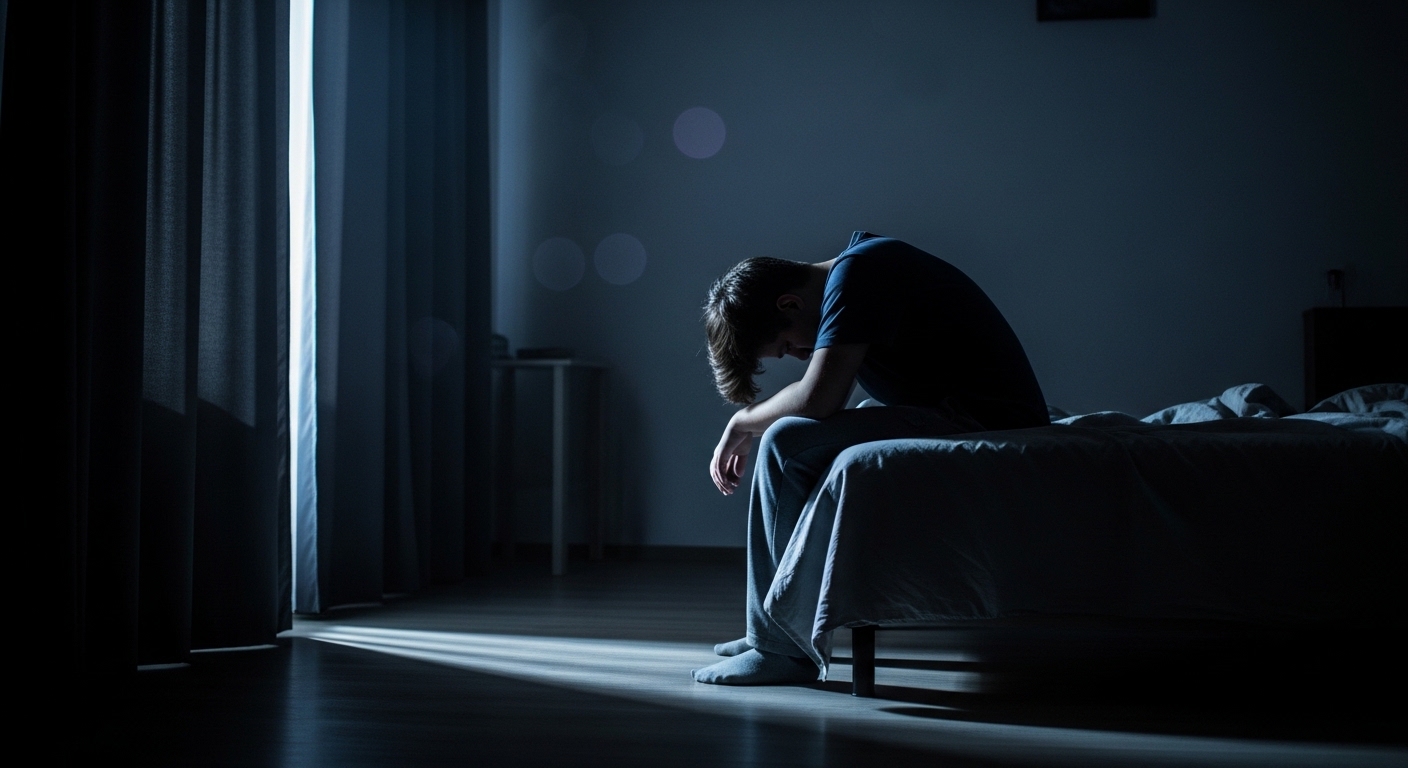
i hate my life is a thought that often appears when everything feels too heavy, too unfair, or simply too exhausting to continue at the same pace. i hate my life usually doesn’t mean someone truly hates every part of existence; it more often reflects emotional overload, burnout, loneliness, disappointment, or feeling stuck in situations that seem impossible to change.
When this thought shows up, it can feel like a permanent truth. But in most cases, it is a temporary emotional state shaped by stress and mental exhaustion rather than reality itself. Many people experience this at different points in life, especially during pressure, failure, heartbreak, or long-term uncertainty. Understanding what sits behind this feeling is often the first step toward easing its weight and slowly regaining clarity.
When “i hate my life” becomes a signal, not a truth
The phrase i hate my life often appears during emotional overload, not rational thinking. It can surface after repeated stress, ongoing disappointment, or when expectations and reality no longer match. The mind, in these moments, simplifies everything into one heavy conclusion.
But this statement is rarely about life as a whole. It is usually about specific areas such as relationships, career struggles, financial pressure, or emotional isolation. When several of these pile up, the brain tries to compress pain into a single sentence: “I can’t deal with this anymore.”
People often mistake this feeling as a permanent identity, but in reality, it is closer to an emotional alarm system. It signals that something inside needs attention, rest, or change—not that life itself has no value or future.
Why this feeling shows up more than people admit
The thought behind i hate my life doesn’t appear randomly. It usually builds slowly through ongoing emotional strain. Modern life intensifies this with constant comparison, pressure to succeed, and lack of genuine emotional rest.
Some of the most common hidden triggers include:
- Chronic stress from work, studies, or responsibilities
- Feeling unsupported in relationships or friendships
- Financial pressure that never seems to ease
- Emotional exhaustion from constantly “holding it together”
- Social comparison that makes personal life feel inadequate
What makes it worse is that many people don’t express these feelings openly. They continue functioning on the outside while internally feeling drained. Over time, suppressed emotions build pressure until they surface as overwhelming thoughts like “i hate my life.”
This is not weakness. It is emotional saturation.
The mind under pressure: why thoughts become so absolute
When someone repeatedly thinks i hate my life, the mind is often filtering reality through emotional distortion. Stress changes how situations are interpreted. Problems feel bigger, solutions feel smaller, and hope feels distant.
This mental state can create patterns such as:
- “Nothing ever works out for me”
- “Everyone else is doing better than me”
- “Things will never change”
These thoughts feel real, but they are shaped by emotional exhaustion rather than objective truth. The brain, under pressure, tends to generalize pain into extreme conclusions.
This is why even small setbacks can feel overwhelming. It is not the size of the problem that matters most in these moments, but the emotional capacity available to handle it.
Understanding this shift is important because it separates identity from emotion. Feeling trapped does not mean being trapped.
What actually helps when everything feels heavy

When the thought i hate my life becomes frequent, the goal is not to force positivity. That usually backfires. What helps more is reducing emotional pressure in small, realistic ways.
People often start regaining stability through simple grounding actions such as:
Taking short breaks from overwhelming environments instead of pushing through exhaustion.
Sleeping and eating in a more consistent rhythm, even if motivation is low.
Reducing exposure to triggers like social comparison or toxic conversations.
Talking to someone who listens without judgment, even briefly.
These actions may seem small, but they interrupt the cycle of emotional buildup. When the mind is constantly overloaded, even basic stability becomes powerful.
Another important shift is reducing self-blame. Many people in this state turn frustration inward, which intensifies the feeling of “i hate my life.” Replacing self-attack with neutrality—“I’m overwhelmed right now”—creates mental space for recovery.
Rebuilding direction when nothing feels meaningful
When someone feels i hate my life, long-term thinking often collapses. The future feels blurry or unimportant. In this state, trying to “fix everything” at once can feel impossible.
A more realistic approach is rebuilding direction in very small steps. Not motivation-driven steps, but stability-driven ones.
People often begin with:
Focusing on one manageable daily routine, even if it is minimal.
Reconnecting with activities that used to feel neutral or slightly enjoyable.
Creating structure in sleep, meals, or daily movement.
Setting extremely small goals that can be completed without pressure.
Meaning does not usually return in a sudden moment. It builds gradually through repetition of small, stable actions that remind the mind it still has some control.
Over time, these small shifts reduce the intensity of thoughts like “i hate my life” because the brain starts to register change instead of stagnation.
When support becomes necessary, not optional
There are moments when i hate my life stops being an occasional thought and becomes persistent. When this happens, isolation tends to deepen the experience. Keeping everything inside makes emotional pressure heavier.
Reaching out does not require having the “right words.” It only requires honesty about struggling. Support can come from friends, family, or mental health professionals who are trained to help with emotional overload and negative thought cycles.
Talking to someone does not instantly solve everything, but it interrupts isolation. And isolation is often what intensifies the feeling most.
If these thoughts are persistent or affecting daily functioning, professional support can make a significant difference in breaking the cycle and rebuilding emotional stability.
Conclusion
When the thought i hate my life shows up, it often feels final, but it is rarely the full truth of your situation. It is usually a reflection of emotional exhaustion, ongoing stress, or feeling stuck in circumstances that seem bigger than your current strength. These moments can distort perspective, making everything appear permanent even when it is not.
What matters most is recognizing that this feeling does not define your identity or your future. Life situations shift, emotions change, and clarity slowly returns when pressure starts to ease. Small, consistent actions rest, support, routine, and reduced mental overload can gradually rebuild a sense of control and stability.
FAQs
1. Why do I keep thinking “i hate my life” even when nothing major is happening?
This usually happens due to accumulated stress or emotional fatigue. Even without a single major event, ongoing pressure can build up quietly until it affects thoughts and mood.
2. Does feeling this way mean something is wrong with me?
No. It usually reflects emotional overload rather than a personal flaw. Many people experience similar thoughts during difficult phases of life.
3. How long does this feeling usually last?
It varies. For some, it lasts days during stressful periods. For others, it can persist longer if underlying issues like burnout or unresolved stress are not addressed.
4. What should I do in the moment when the thought feels overwhelming?
Focus on grounding actions such as slowing your breathing, stepping away from stressors, or doing one small task that creates a sense of control. Avoid isolating yourself completely.
5. Can this feeling actually change over time?
Yes. With reduced stress, better support, and small consistent changes in routine, this emotional state often becomes significantly lighter or disappears.