
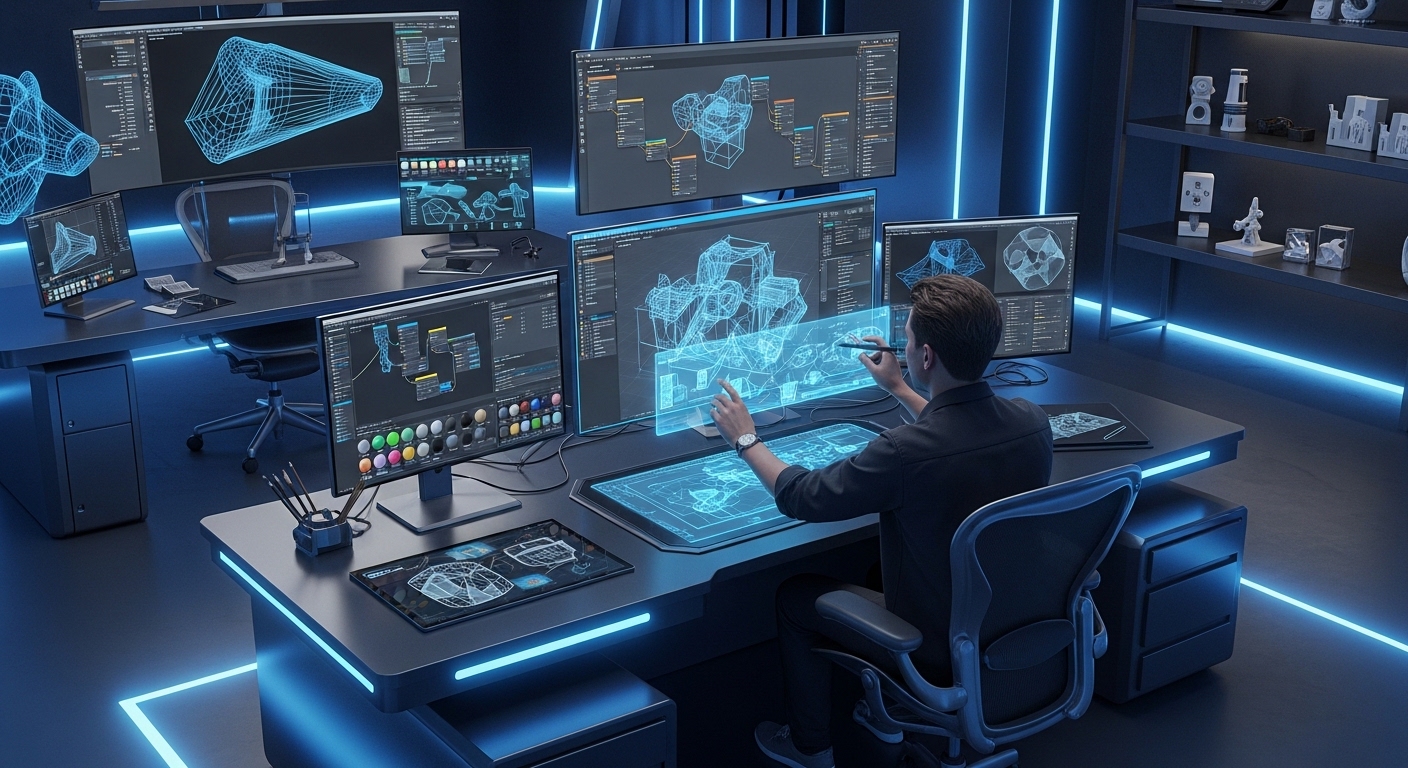
The digital world is rapidly transforming, and three-dimensional design has become a major part of modern innovation. From gaming environments to architectural visualization, advanced modeling tools are shaping how creators bring ideas to life. In this growing ecosystem, sulbas3d is emerging as a modern concept that enhances how designers approach 3D creation. It focuses on simplifying complex workflows while maintaining professional quality output.
Sulbas3d is designed to support artists, developers, and engineers who need faster and more efficient ways to build digital models. Instead of relying on traditional methods that require heavy manual effort, sulbas3d introduces a more adaptive and streamlined process. This makes it suitable for both beginners and professionals working in creative industries.
Table of Contents
ToggleUnderstanding the Core Concept
At its foundation, sulbas3d is built around intelligent digital modeling principles. It combines automation with creative flexibility, allowing users to generate complex shapes and environments with reduced effort. The system is structured to support smooth workflows where ideas can quickly turn into visual representations.
One of the key ideas behind sulbas3d is reducing technical barriers in 3D design. Many traditional tools require deep knowledge of geometry and rendering systems. Sulbas3d changes this by introducing guided processes that assist users throughout the design journey.
Intelligent Design Workflow
The workflow in sulbas3d is designed to be intuitive and adaptive. Users begin with a simple concept, which is then transformed into a structured digital model. The system analyzes the input and builds a foundation that can be refined further.
Sulbas3d continues to support the user throughout the editing phase by offering smart suggestions and automatic adjustments. This reduces the time spent on repetitive tasks and allows more focus on creativity. The system ensures that even complex models remain manageable and easy to control.
Real Time Visualization
A major advantage of sulbas3d is its ability to provide real-time visualization. Changes made to a model are instantly visible, which helps designers make faster decisions. This feature is especially useful in industries where quick iterations are required.
By using sulbas3d, creators can experiment with different styles, lighting setups, and structural changes without waiting for long rendering processes. This improves productivity and enhances creative freedom.
Enhanced Creative Control
Sulbas3d gives users a high level of creative control while still maintaining simplicity. Designers can adjust every aspect of their model, from basic shapes to advanced textures and lighting effects.
The system is designed to balance automation with manual customization. This means that while sulbas3d can handle technical tasks automatically, users still have full control over artistic direction. This combination makes it highly effective for professional projects.
Applications in Modern Industries
Sulbas3d is widely applicable across various industries that depend on 3D visualization. In gaming, it is used to create immersive environments and detailed characters. Game developers benefit from its fast workflow and real-time feedback.
In architecture, sulbas3d helps in designing realistic building models and interior spaces. Clients can view projects before construction begins, improving communication and planning.
Film and animation studios also rely on sulbas 3d for creating visual effects and animated sequences. Its efficiency allows teams to produce high-quality content within shorter time frames.
Engineering and manufacturing sectors use sulbas 3d to develop accurate prototypes and mechanical designs. This ensures precision and reduces production errors.
Benefits of Using Modern 3D Systems
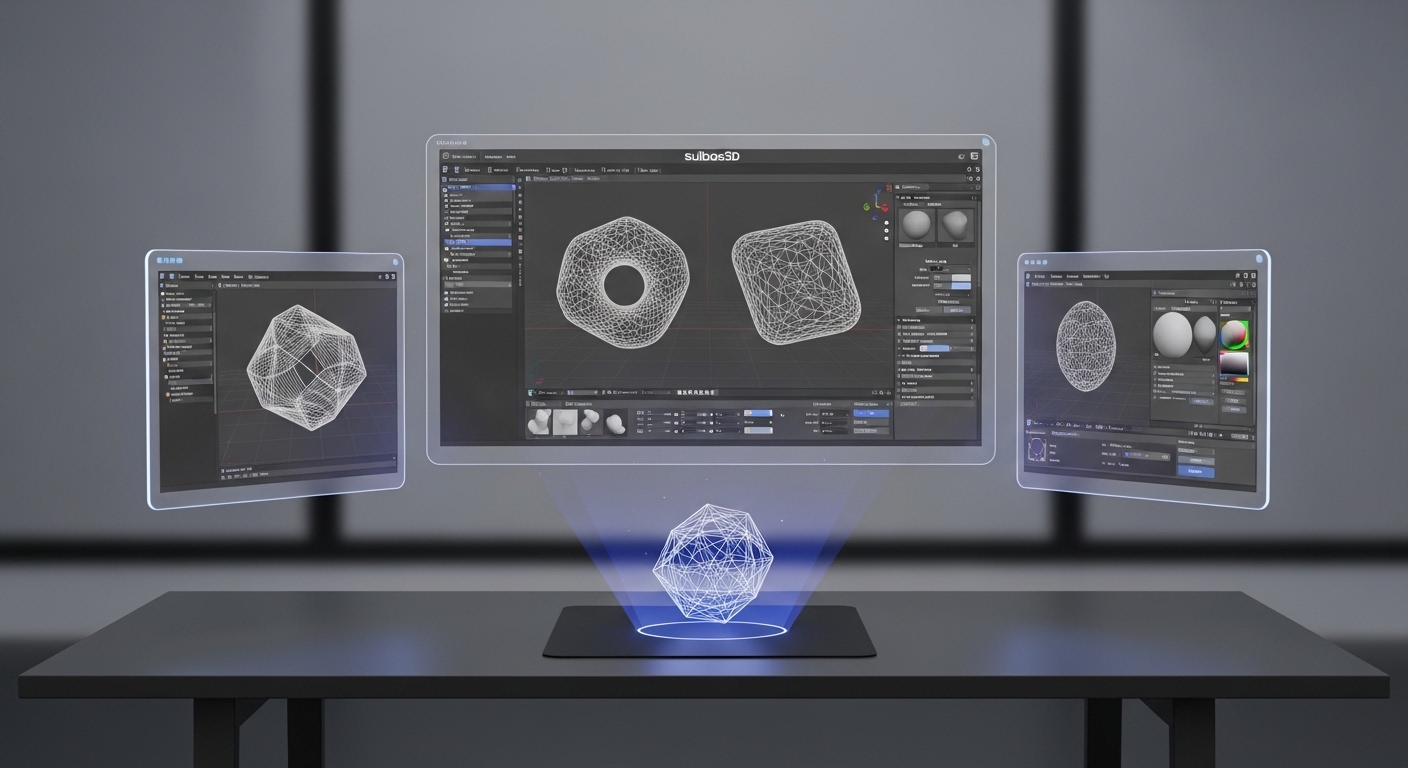
Sulbas3d offers several advantages that make it attractive for modern creators. One of the biggest benefits is improved efficiency. Tasks that once required hours of manual work can now be completed much faster.
Another benefit is accessibility. Even users who are new to 3D design can quickly learn how to use sulbas3d due to its simplified interface. This opens opportunities for more people to enter creative industries.
Cost-effectiveness is also a major advantage. By reducing time and resource consumption, sulbas 3d helps lower overall project costs while maintaining high quality output.
Adaptive Technology in Design
Sulbas3d incorporates adaptive technology that adjusts according to user behavior. This means the system learns how a designer works and optimizes tools accordingly. Over time, this improves workflow efficiency and reduces unnecessary steps.
The adaptive nature of sulbas 3d also allows it to support different types of projects. Whether working on small-scale models or large environments, the system adjusts performance and tool availability based on requirements.
Future Development Potential
The future of sulbas3d looks promising as technology continues to evolve. With advancements in artificial intelligence and cloud computing, future versions are expected to become even more powerful.
There is potential for fully automated modeling systems where ideas can be converted into complete 3D environments with minimal input. Collaboration tools may also improve, allowing designers from different locations to work together in real time.
Virtual reality and augmented reality integration are also expected to play a major role in the development of sulbas 3d. This will further enhance the immersive experience of 3D design.
Challenges in Adoption
Despite its advantages, sulbas3d may face some challenges. One of the main issues is the learning curve for users who are transitioning from traditional software. While the system is designed to be user-friendly, advanced features still require practice.
Hardware requirements can also be a limitation. High-quality rendering and real-time processing demand strong computing systems, which may not be accessible to all users.
Another challenge is compatibility with older tools and workflows. Some professionals may need time to fully integrate sulbas 3d into their existing systems.
Best Practices for Effective Use
To get the most out of sulbas3d, users should start with simple projects and gradually move to more complex designs. This helps in understanding the system better and improving skills over time.
Keeping software updated ensures access to the latest features and performance improvements. Organizing project files properly also helps maintain efficiency in long-term work.
Experimentation is encouraged in sulbas 3d, as it allows users to explore creative possibilities and discover new design techniques.
Role in Digital Transformation
Sulbas3d plays an important role in the ongoing digital transformation of creative industries. As demand for 3D content continues to rise, tools like sulbas 3d help bridge the gap between creativity and technology.
It enables faster production cycles, better visualization, and improved collaboration between teams. This makes it a valuable asset in modern digital workflows.
Conclusion
The evolution of 3D design technology is moving toward more intelligent and efficient systems. Sulbas3d represents this shift by combining automation, adaptability, and creative freedom into a single framework.
As industries continue to adopt advanced digital tools, sulbas 3d is expected to become an important part of future design ecosystems. Its ability to simplify complex processes while maintaining high-quality output makes it a strong solution for modern creators.
With continuous improvements and technological advancements, sulbas 3d will likely play a key role in shaping the future of 3D modeling and visualization.
FAQs
1. What is sulbas3d mainly used for?
Sulbas3d is mainly used for creating and designing advanced 3D models across multiple industries such as gaming, architecture, engineering, and animation. It helps designers turn ideas into realistic digital structures with improved speed and accuracy.
2. Is sulbas3d beginner friendly?
Yes, sulbas3d is designed with a simple and intuitive interface that supports beginners. It reduces complexity in 3D design workflows, making it easier for new users to learn modeling, editing, and visualization without advanced technical knowledge.
3. How does sulbas3d improve workflow efficiency?
Sulbas3d improves workflow efficiency by automating repetitive design tasks and offering real-time feedback during the modeling process. This allows users to make instant adjustments, reducing production time and increasing creative productivity.
4. Can sulbas3d be used professionally?
Yes, sulbas3d is suitable for professional use because it supports high-quality output, detailed modeling, and scalable project handling. It is designed to meet the demands of commercial projects in industries like gaming, film production, and engineering.
5. What industries benefit from sulbas3d?
Several industries benefit from sulbas 3d, including gaming development, architectural visualization, film production, engineering design, and educational training. It enhances creativity and improves visualization in all these fields.
6. Does sulbas3d require advanced hardware?
Sulbas3d performs best on high-performance systems, especially when handling real-time rendering and complex 3D models. However, basic projects can still run on standard systems with reduced performance settings.