
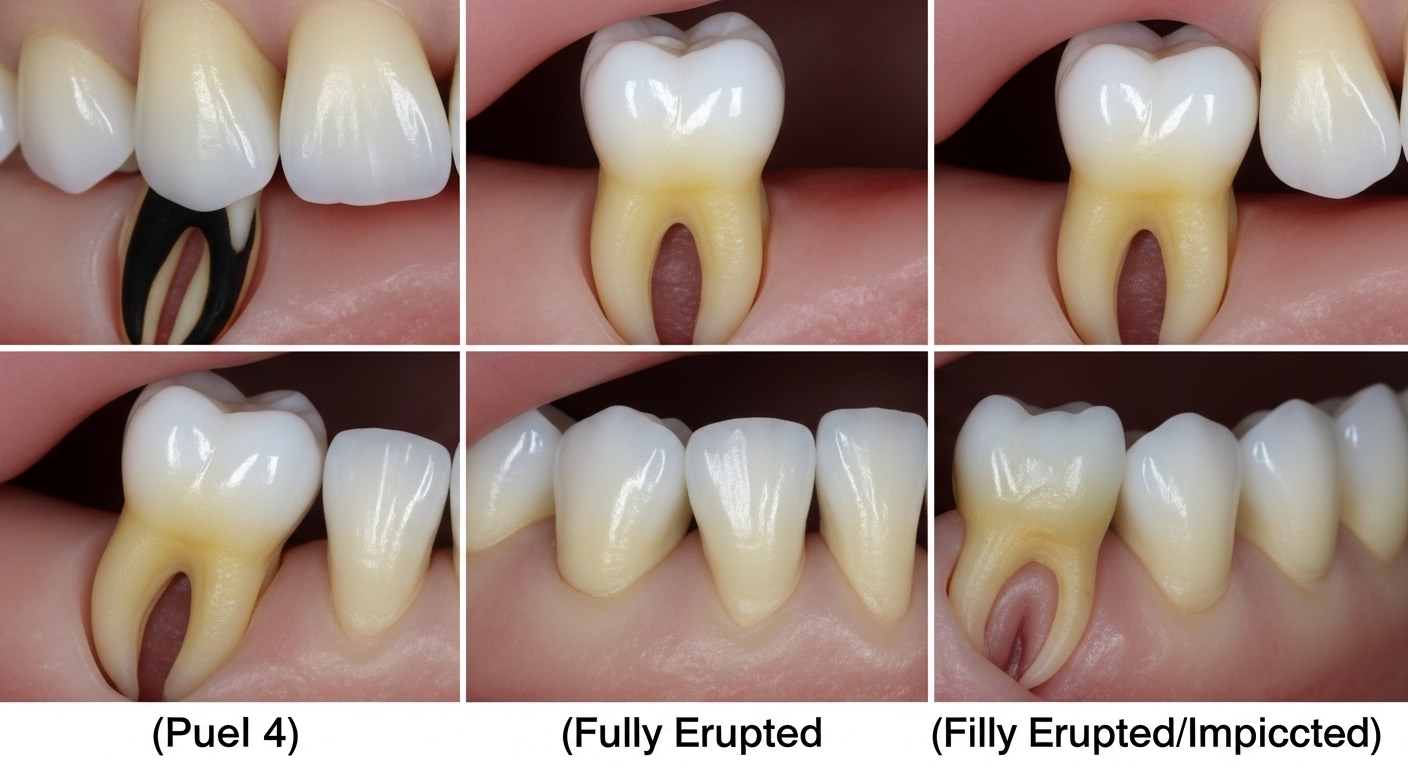
Wisdom teeth, also called third molars, are the last set of teeth to develop in your mouth. Many people often ask, “when do wisdom teeth come in?” because these teeth can cause discomfort, crowding, or even dental complications. Understanding their development, timing, and care is essential for maintaining oral health.
This comprehensive guide will explain when do wisdom teeth come in, how to recognize symptoms, the stages of eruption, potential problems, and how to manage them effectively.
What Are Wisdom Teeth?
Wisdom teeth are the third set of molars, located at the very back of the mouth. Most adults have four, with two in the upper jaw and two in the lower jaw. Some people may have fewer, and in rare cases, extra teeth called supernumerary teeth can appear.
These teeth were historically necessary for our ancestors, who had larger jaws and diets that included coarse foods. Today, due to smaller jaw sizes and modern diets, wisdom teeth often face space issues, making their eruption potentially problematic.
When Do Wisdom Teeth Come In? Age and Timing
A common question is, “when do wisdom teeth come in?” Generally, wisdom teeth emerge between ages 17 and 25. However, timing varies based on genetics, jaw size, and oral health.
- Early eruption: Some individuals may notice wisdom teeth around age 15
- Typical eruption: Most people experience emergence in late teens to early twenties
- Late eruption: Rarely, wisdom teeth may appear in the late twenties
Lower wisdom teeth often come in first, followed by the upper ones. Dentists usually monitor growth with X-rays to predict potential issues and plan treatment if needed.
Stages of Wisdom Teeth Development
Understanding the stages can help explain when do wisdom teeth come in:
- Formation Stage: Teeth form under the gums, often visible in X-rays by ages 7–10.
- Eruption Stage: The teeth gradually push through the gum line, usually in late teens.
- Full Emergence: Teeth fully break through the gums, if space allows.
Some wisdom teeth remain impacted, meaning they cannot fully emerge due to lack of space, leading to potential pain or infection.
Symptoms of Emerging Wisdom Teeth
Recognizing signs of eruption is important. Symptoms include:
- Swollen or tender gums at the back of the mouth
- Mild to moderate jaw pain or stiffness
- Bad breath or unpleasant taste caused by trapped food and bacteria
- Difficulty chewing or opening the mouth fully
- Headaches or ear discomfort in some cases
Not everyone will experience all symptoms, but these are common indicators that wisdom teeth are coming in.
Factors Affecting When Wisdom Teeth Come In
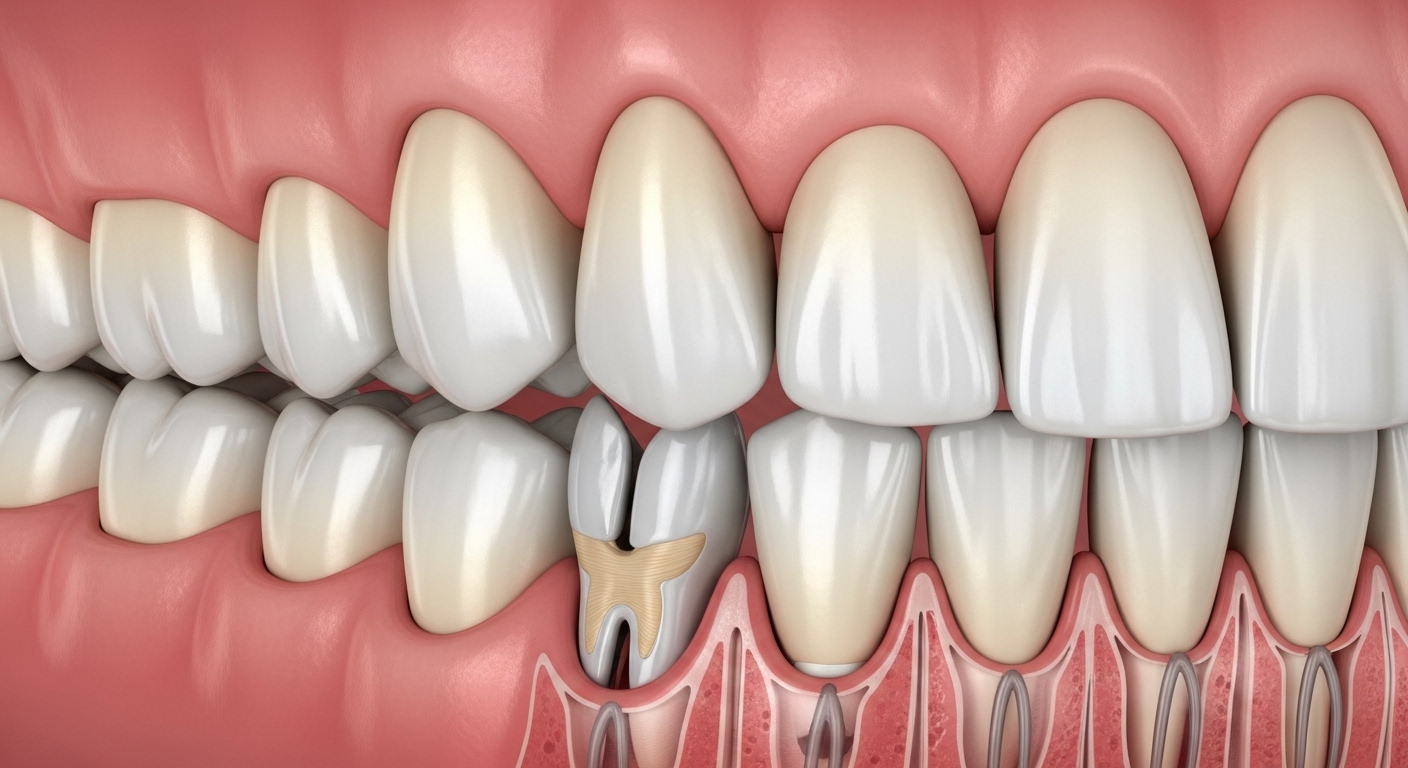
Several factors influence when do wisdom teeth come in:
- Genetics: Family history strongly affects timing and eruption patterns
- Jaw Size: Smaller jaws may delay eruption or cause impaction
- Diet and Chewing Habits: Diet influences jaw development and tooth alignment
- Overall Oral Health: Gum disease or dental issues can affect eruption
Knowing these factors helps in anticipating problems and planning proper dental care.
Common Problems with Wisdom Teeth
Wisdom teeth can create dental issues, including:
- Impaction: Teeth trapped under the gum or pushing against other teeth
- Crowding: Shifting teeth that lead to misalignment
- Infections: Partially erupted teeth can cause gum infection or abscess
- Cysts or Rare Tumors: Rarely, cysts form around impacted teeth
Regular dental monitoring, including X-rays, helps detect these problems early.
Pain and Discomfort
Pain is common when wisdom teeth are coming in. Symptoms may include:
- Soreness in the jaw or back of the mouth
- Swelling or redness in gums
- Ear pain or headaches in some cases
Pain relief options include over-the-counter medications, cold compresses, and soft foods. Severe pain should always prompt a dental visit.
Do All Wisdom Teeth Need Extraction?
Not every wisdom tooth requires removal. Dentists may recommend extraction if:
- Teeth are impacted or cannot fully emerge
- Crowding occurs in the mouth
- Pain, infection, or gum disease develops
Some wisdom teeth emerge perfectly aligned without causing problems, making extraction unnecessary. Monitoring is key.
Caring for Wisdom Teeth
Proper care helps prevent complications. Tips include:
- Brush and floss carefully, especially at the back of the mouth
- Use antibacterial mouthwash to reduce bacteria
- Schedule regular dental check-ups for monitoring
- Avoid hard or sticky foods during eruption
Good oral hygiene can minimize pain and prevent infections as wisdom teeth come in.
Differences Between Upper and Lower Wisdom Teeth
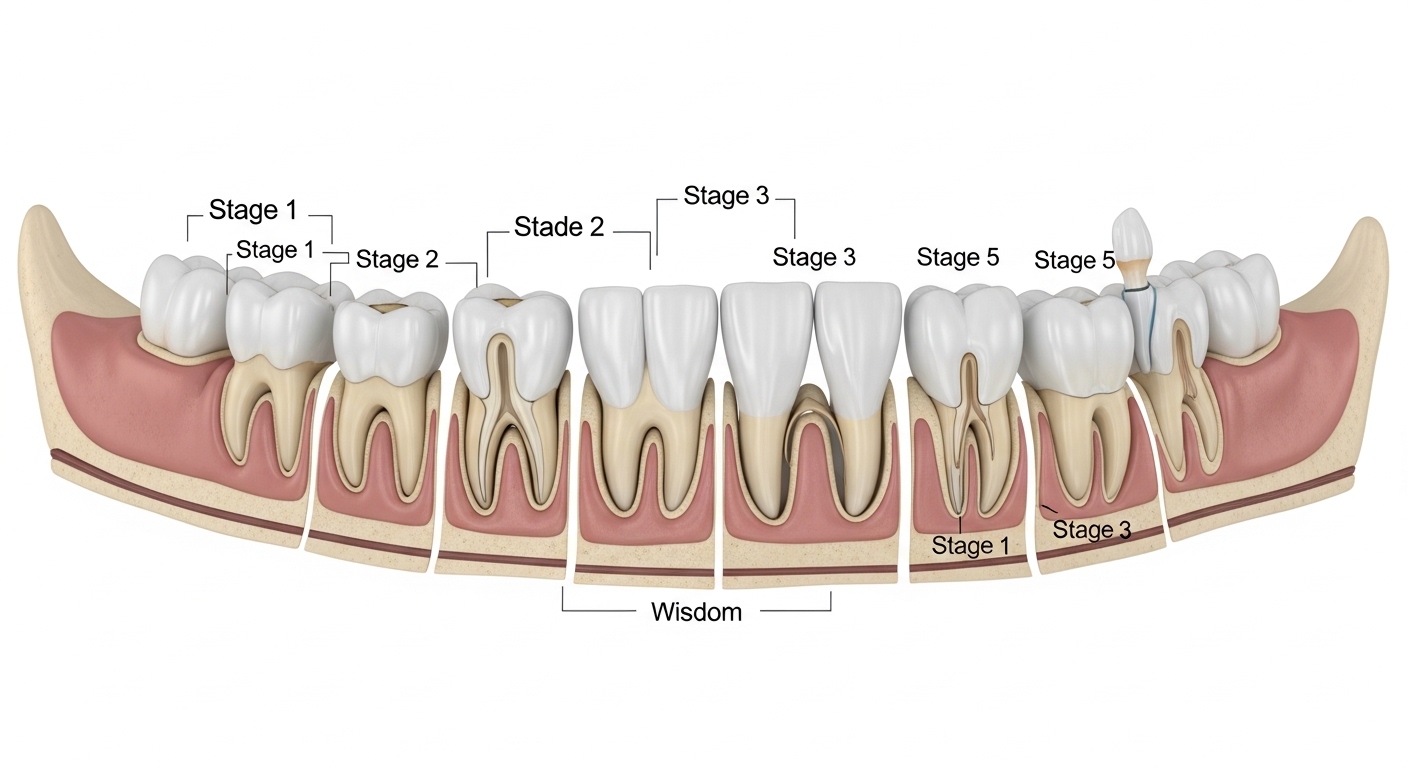
Upper and lower wisdom teeth have distinct characteristics:
- Upper Wisdom Teeth: Less likely to be impacted, but can affect bite
- Lower Wisdom Teeth: More prone to impaction due to limited jaw space
Dentists focus on lower wisdom teeth to prevent potential crowding or misalignment.
Monitoring Wisdom Teeth Growth
X-rays are essential for tracking when do wisdom teeth come in. Dentists use panoramic X-rays to examine:
- Tooth positioning
- Potential crowding
- Risk of impaction
Early detection helps avoid severe dental issues later.
Alternatives to Extraction
Not all problematic wisdom teeth require removal. Alternatives include:
- Orthodontic treatments to create space
- Minor surgical exposure to help teeth erupt naturally
- Regular observation if teeth are not causing problems
The choice depends on individual jaw structure, age, and overall dental health.
When to See a Dentist
Seek professional help if you notice:
- Severe or persistent pain
- Swelling or tenderness in the gums
- Difficulty opening the mouth
- Signs of infection, such as pus or fever
Early intervention prevents more complex procedures.
Age Considerations
Wisdom teeth may emerge at different ages:
- Teenagers: Formation stage begins under gums
- 17–25: Typical eruption age
- Late twenties: Late eruption possible but uncommon
Age plays a critical role in monitoring development and planning treatment.
Maintaining Oral Health During Eruption
Tips for managing oral health while wisdom teeth are coming in:
- Brush gently but thoroughly
- Use floss and specialized flossers for back teeth
- Rinse with warm salt water to reduce swelling
- Avoid sticky or hard foods that irritate gums
Good oral habits prevent discomfort and infection.
Wisdom Teeth and Overall Oral Health
Wisdom teeth impact more than just the back molars. Issues can lead to:
- Crowding and misalignment of other teeth
- Increased risk of gum disease
- Jaw pain or TMJ problems
Understanding when do wisdom teeth come in helps prevent long-term complications.
Conclusion
Wisdom teeth are a natural part of oral development. Knowing when do wisdom teeth come in, recognizing symptoms, and practicing proper care ensures your oral health remains strong. Regular dental check-ups and early intervention can prevent pain, infection, and misalignment. Whether removal is needed or not, being informed allows you to make the best decisions for your dental health.
Frequently Asked Questions
Q1: At what age do wisdom teeth typically appear?
Most wisdom teeth erupt between ages 17–25, but timing varies.
Q2: Do all wisdom teeth need extraction?
No, only teeth causing pain, infection, or crowding require removal.
Q3: How can I tell if my wisdom teeth are impacted?
Symptoms include swelling, pain, difficulty opening the mouth, and X-rays confirm impaction.
Q4: Can wisdom teeth cause jaw pain?
Yes, they can cause discomfort, headaches, or ear pain.
Q5: Are there alternatives to extraction?
Yes. Orthodontic treatments, surgical exposure, or observation may be options.
Q6: How long does it take for wisdom teeth to come in fully?
It can take months or even a few years for full emergence.
Q7: Is wisdom tooth removal painful?
The procedure is done under anesthesia, and discomfort may occur during recovery.