
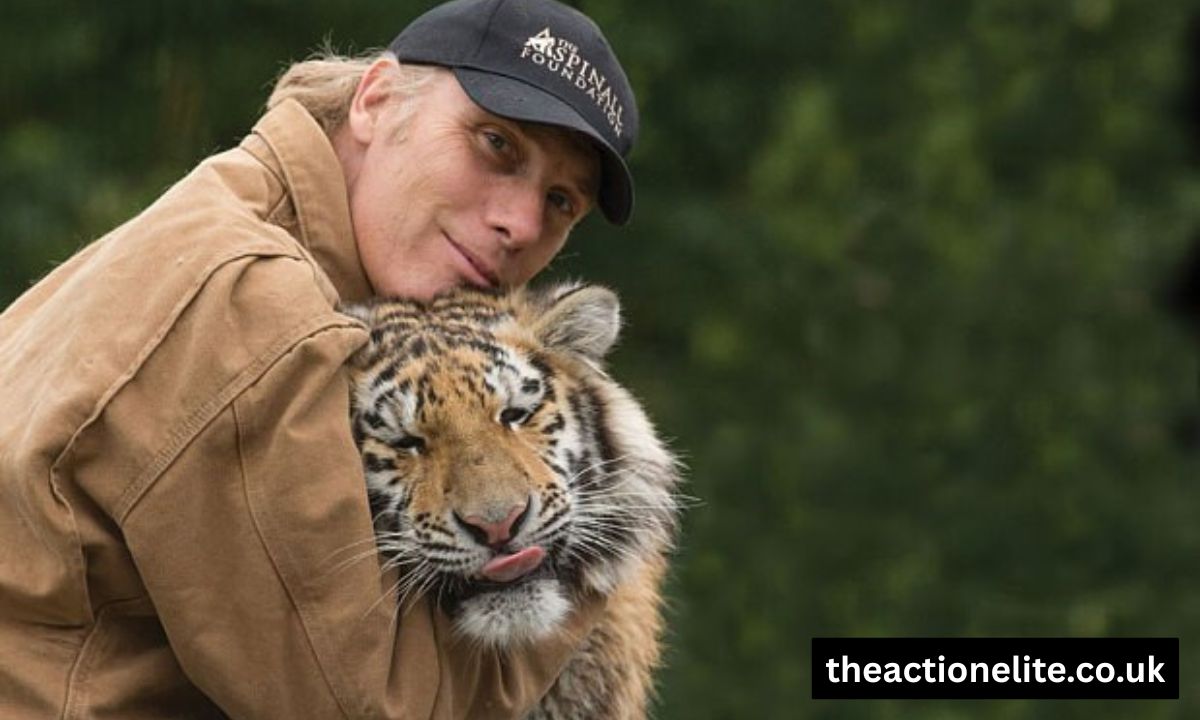
Damian Aspinall is widely recognized as one of the most influential wildlife conservationists of the modern era. Known for his unconventional approach to animal welfare, he has dedicated his life to transforming the way humans interact with captive wildlife. Through groundbreaking conservation initiatives, rewilding projects, and a deep commitment to ethical animal care, Damian Aspinall has challenged traditional zoo models and inspired a global conversation about wildlife preservation.
Born into a family deeply connected to wildlife and philanthropy, Aspinall inherited not just a legacy but also a responsibility. His work has focused on protecting endangered species, returning animals to their natural habitats, and promoting awareness about conservation challenges. His leadership continues to shape the future of ethical conservation practices worldwide.
Table of Contents
ToggleEarly Life and Family Background
Damian Aspinall was born into a prominent British family known for its involvement in wildlife conservation. He is the son of John Aspinall, a controversial yet pioneering figure who founded private wildlife parks focused on breeding endangered species.
Growing up, Damian spent much of his childhood surrounded by exotic animals, including gorillas, tigers, and elephants. Unlike many children, his daily environment included close encounters with wildlife. This unusual upbringing fostered a deep emotional connection with animals and shaped his lifelong commitment to conservation.
The Aspinall family’s philosophy differed from traditional zoos. Instead of viewing animals purely for public entertainment, they focused on breeding endangered species and eventually returning them to the wild. Damian absorbed this philosophy early on and later expanded it into a broader conservation mission.
Education and Personal Development
Damian Aspinall’s education was unconventional. While he attended formal schooling, much of his learning occurred outside the classroom. His hands-on experience working with animals taught him behavioral observation, animal care, and conservation management.
He also developed a strong interest in environmental sustainability, ethics, and global conservation challenges. Over time, he refined his understanding of wildlife protection and began advocating for innovative approaches to species preservation.
His early experiences gave him confidence to challenge traditional conservation systems and push for meaningful change.
Taking Over the Aspinall Legacy
After the passing of his father, Damian Aspinall assumed leadership of the Aspinall conservation initiatives. This transition marked a turning point. He modernized operations, strengthened conservation goals, and expanded global partnerships.
Under his leadership, the organization increased its focus on rewilding projects. These efforts involved breeding animals in captivity and then carefully releasing them into protected natural environments. This approach required careful planning, monitoring, and collaboration with international conservation groups.
Damian Aspinall also emphasized improving animal welfare standards, ensuring that animals in captivity experienced enriched environments designed to mimic natural habitats.
Commitment to Rewilding and Conservation
One of Damian Aspinall’s most notable contributions is his commitment to rewilding. He believes animals should not remain in captivity indefinitely and should be returned to the wild whenever possible.
His rewilding programs have focused on species such as:
- Western lowland gorillas
- Black rhinos
- European bison
- African elephants
- Clouded leopards
These projects often involve releasing animals into protected reserves in Africa and Europe. Each reintroduction is carefully managed to ensure survival and adaptation.
Damian Aspinall’s approach challenges traditional zoo models, arguing that conservation should prioritize freedom and natural living conditions.
Wildlife Parks and Conservation Centers
Damian Aspinall oversees wildlife parks dedicated to breeding and conservation. These parks emphasize space, naturalistic environments, and limited human interference.
Visitors to these parks experience wildlife differently compared to traditional zoos. Instead of crowded enclosures, animals roam in large areas that resemble their natural habitats. This philosophy prioritizes animal well-being over entertainment.
These centers also serve as educational platforms, teaching visitors about conservation, biodiversity, and environmental responsibility.
Advocacy for Ethical Animal Treatment
Damian Aspinall has been outspoken about animal rights and ethical treatment. He has criticized traditional zoo practices that prioritize profit over welfare. His advocacy emphasizes:
- Larger enclosures
- Reduced animal stress
- Limited human interaction
- Conservation-focused breeding
- Rewilding goals
He argues that animals should not be kept in captivity solely for display. Instead, they should be part of broader conservation efforts that benefit species survival.
This perspective has influenced policy discussions and encouraged other institutions to reconsider their practices.
Global Conservation Partnerships
Damian Aspinall collaborates with governments, NGOs, and conservation experts worldwide. These partnerships are essential for successful rewilding initiatives.
By working with international organizations, he has helped secure protected habitats and long-term monitoring programs. These collaborations ensure animals released into the wild receive proper support.
His global outreach has expanded conservation awareness and strengthened efforts to protect endangered species.
Challenges and Controversies
Damian Aspinall’s bold approach has not been without controversy. Critics question the safety and success rates of rewilding programs. Some argue that captive animals may struggle to adapt to wild environments.
However, Aspinall maintains that careful preparation and monitoring improve success rates. He believes that the risks are worth taking if they offer animals a chance at natural freedom.
These debates highlight the complexity of conservation and the need for innovative solutions.
Personal Philosophy and Conservation Ethics
Damian Aspinall’s philosophy centers on respect for wildlife. He believes humans have a moral obligation to protect endangered species and restore ecosystems.
His approach emphasizes:
- Long-term sustainability
- Natural living conditions
- Minimal human interference
- Ethical conservation practices
This philosophy has inspired many conservationists and influenced modern wildlife management strategies.
Impact on Modern Conservation
Damian Aspinall has played a significant role in reshaping conservation practices. His emphasis on rewilding and animal welfare has encouraged institutions worldwide to rethink their approaches.
Many conservation programs now prioritize habitat restoration and species reintroduction. This shift reflects Aspinall’s influence and growing awareness of ethical wildlife care.
His work demonstrates that conservation can evolve and adapt to new challenges.
Public Awareness and Education
Education is a key component of Damian Aspinall’s mission. Through public engagement, documentaries, and educational programs, he raises awareness about endangered species.
He encourages individuals to support conservation through:
- Sustainable choices
- Environmental awareness
- Wildlife protection initiatives
- Responsible tourism
These efforts help build a global community committed to protecting biodiversity.
Personal Life and Interests
Beyond conservation, Damian Aspinall is known for his adventurous spirit. He has participated in wildlife expeditions and conservation missions around the world.
His personal experiences working closely with animals reinforce his belief in their intelligence and emotional complexity. These encounters strengthen his advocacy for ethical treatment.
Despite public attention, he maintains focus on conservation rather than personal recognition.
Future Vision for Wildlife Conservation
Damian Aspinall envisions a future where captive breeding supports large-scale rewilding. He hopes to see more animals returned to natural habitats and fewer kept in captivity.
His goals include:
- Expanding rewilding programs
- Protecting endangered habitats
- Increasing conservation education
- Promoting ethical wildlife policies
This forward-thinking vision continues to guide his work.
Legacy and Influence
Damian Aspinall’s contributions extend beyond individual projects. He has inspired a new generation of conservationists committed to ethical practices.
His legacy includes:
- Advancing rewilding initiatives
- Improving animal welfare standards
- Raising global conservation awareness
- Challenging traditional zoo models
His impact will likely influence conservation strategies for decades to come.
Conclusion
Damian Aspinall stands as a powerful voice for wildlife conservation and ethical animal care. Through dedication, innovation, and advocacy, he has transformed conservation practices and inspired global change.
His commitment to rewilding and protecting endangered species highlights the importance of preserving biodiversity. As conservation challenges grow, his work remains a guiding example of how individuals can make a meaningful difference.
FAQs
1. Who is Damian Aspinall?
Damian Aspinall is a British conservationist known for his work in wildlife protection, rewilding programs, and ethical zoo reform.
2. What is Damian Aspinall famous for?
He is famous for releasing captive-bred animals back into the wild and advocating for improved animal welfare standards.
3. What animals has Damian Aspinall helped conserve?
His conservation efforts include gorillas, rhinos, elephants, bison, and other endangered species.
4. What is rewilding?
Rewilding is the process of returning animals bred in captivity to their natural habitats.
5. How did Damian Aspinall get involved in conservation?
He inherited a conservation legacy from his father and expanded it through global wildlife initiatives.
6. What is Damian Aspinall’s conservation philosophy?
He believes animals should live in natural environments and that conservation should focus on freedom and sustainability.
7. Why is Damian Aspinall important?
His work has influenced modern conservation practices and increased awareness about ethical animal care.